1×7 Stainless Steel Wire Rope Product Introduction Overview: The 1×7 stainless steel wire rope is a high-quality, durable, and versatile wire rope constructed from a single strand of seven individual ...
See Details

When it comes to heavy lifting, the correct rigging hardware is essential for ensuring both the safety and efficiency of operations. Rigging hardware plays a significant role in the construction, industrial, and manufacturing sectors, where heavy loads are common. Choosing the right equipment helps prevent accidents, reduce downtime, and improve productivity. But how do you choose the right rigging hardware for lifting heavy loads? This article delves into the most critical factors to consider when making your selection.
Before selecting rigging hardware, it's important to understand the basic components that make up these systems. Rigging hardware includes various pieces such as shackles, hoists, slings, and winches, each serving a specific purpose in lifting and securing heavy loads.
When lifting heavy loads, selecting the correct type of rigging hardware for lifting heavy loads is crucial. Below is a comparison between commonly used rigging hardware for heavy lifting:
| Hardware Type | Load Capacity | Durability | Cost |
| Shackles | Medium to High | High | Low |
| Slings | Varies (depends on material) | Medium to High | Medium |
| Hoists | High | Very High | High |
| Winches | High | High | Medium |
One of the first and most important considerations when selecting rigging hardware is the load capacity. Each piece of hardware is rated for a specific load range, and it's essential to choose equipment that matches or exceeds the expected weight of the load to be lifted. The Safety Working Load (SWL) is the maximum load the hardware can safely handle.
The materials used in the construction of rigging hardware significantly affect its performance and longevity. Steel components are common due to their high tensile strength and resistance to wear and corrosion. For example, forged steel shackles are often used in heavy lifting applications due to their superior strength and durability.
Ensuring that your rigging hardware complies with safety standards is paramount. For heavy lifting operations, compliance with local regulations such as OSHA or EN standards is essential to avoid potential accidents or legal issues.
Rigging hardware safety standards and regulations ensure that the equipment has been tested for strength, durability, and safety. Always verify the certification of your hardware before use to minimize risks.
Choosing the right size and configuration of rigging hardware is essential for ensuring that the hardware can safely handle the load while fitting the lifting environment. For example, larger shackles may be necessary for very heavy loads, while smaller, more compact slings may be better suited for confined spaces.
Finding a reliable and affordable supplier for rigging hardware is crucial for keeping costs manageable while ensuring that your hardware meets safety and durability standards. Look for suppliers that offer competitive pricing while also providing detailed product specifications, including load ratings and material details.
Affordable rigging hardware suppliers should offer a range of products to suit different lifting applications and budgets, and they should be transparent about the quality and testing of their equipment.
Maintaining your rigging hardware is essential to ensure its longevity and reliability. Regular inspection, cleaning, and lubrication can prevent wear and tear, while timely repairs can extend the life of your equipment. Always follow the manufacturer's guidelines for maintenance and be sure to replace any damaged hardware promptly.
In conclusion, selecting the right rigging hardware for heavy lifting requires careful consideration of several factors, including load capacity, material strength, safety standards, and the specific lifting environment. Understanding these key elements will help you make informed decisions that ensure safety, efficiency, and cost-effectiveness in your lifting operations.
To calculate the required load capacity, determine the weight of the load to be lifted and multiply it by a safety factor, typically 1.5 to 2.0, depending on the lifting environment and safety requirements.
For harsh environments, such as marine or high-temperature settings, stainless steel or galvanized steel rigging hardware is recommended due to its superior resistance to corrosion and wear.
The type of rigging hardware you choose depends on the load, the lifting environment, and the specific task. For example, for lifting extremely heavy loads, hoists or winches are preferred, while shackles and slings are used for more general lifting tasks.
Proper maintenance of rigging hardware ensures its longevity, prevents unexpected failures, and ensures the safety of workers by identifying and addressing potential issues early.
Search for suppliers that offer transparent pricing and detailed product specifications. Compare quotes from multiple suppliers to ensure you're getting the best value for quality rigging hardware.
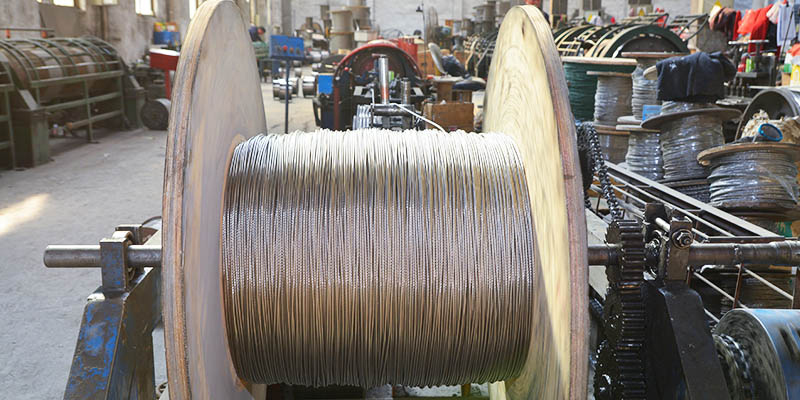

1×7 Stainless Steel Wire Rope Product Introduction Overview: The 1×7 stainless steel wire rope is a high-quality, durable, and versatile wire rope constructed from a single strand of seven individual ...
See Details
1×19 Stainless Steel Wire Rope Product Introduction Overview: The 1×19 stainless steel wire rope is a robust and high-strength wire rope made from a single strand of 19 individual wires twisted togeth...
See Details
7×7 Stainless Steel Wire Rope Product Introduction Overview: The 7×7 stainless steel wire rope is a versatile, durable, and flexible wire rope made from seven strands, each containing seven individual...
See Details![7X19 [6x19+IWS] Stainless Steel Wire Rope 304/316](/steelwirerope-china/2024/12/20/4.jpg)
7X19 [6x19+IWS] Stainless Steel Wire Rope Product Introduction Overview: The 7X19 [6x19+IWS] stainless steel wire rope is a high-performance wire rope designed for applications that require maximum st...
See Details
1×37 Stainless Steel Wire Rope Product Introduction Overview: The 1×37 stainless steel wire rope is a high-strength, durable wire rope made from a single strand of 37 individual wires twisted together...
See Details
6×7+FC Stainless Steel Wire Rope Product Introduction Overview: The 6×7+FC stainless steel wire rope is a high-quality wire rope designed for applications requiring both strength and flexibility. This...
See Details
6×19+FC Stainless Steel Wire Rope Product Introduction Overview: The 6×19+FC stainless steel wire rope is a high-performance, versatile rope designed to provide exceptional strength, flexibility, and ...
See Details
19×7 Stainless Steel Wire Rope Product Introduction Overview: The 19×7 stainless steel wire rope is a high-performance wire rope designed for a wide range of applications requiring both strength and f...
See Details




 wechat scan