1×7 Stainless Steel Wire Rope Product Introduction Overview: The 1×7 stainless steel wire rope is a high-quality, durable, and versatile wire rope constructed from a single strand of seven individual ...
See Details

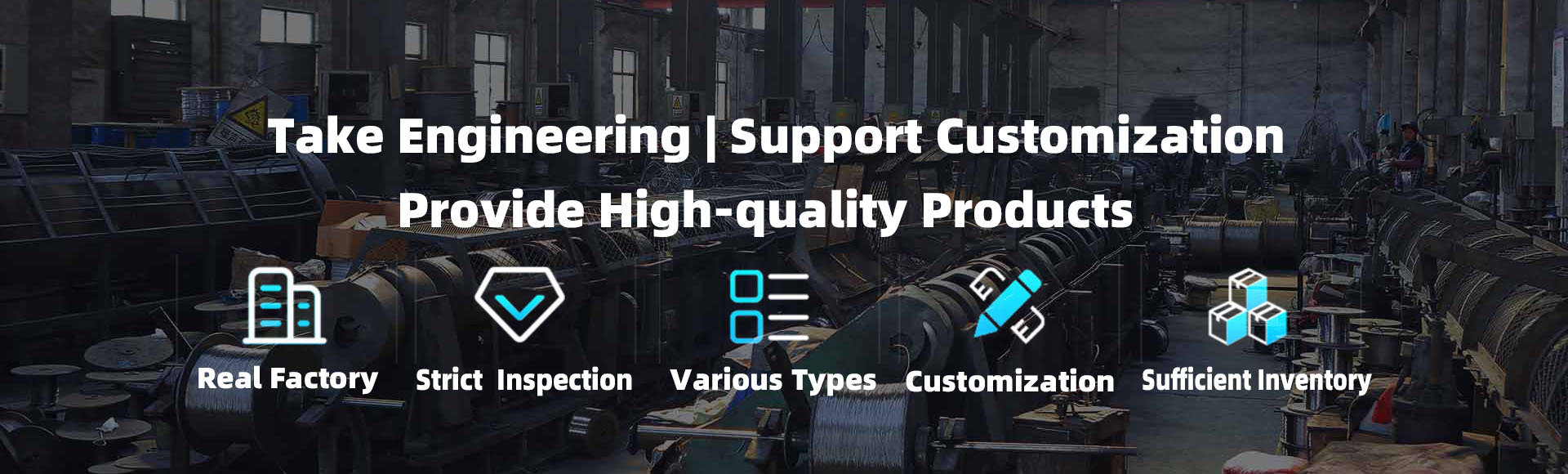
Stainless steel bolts are a common type of fastener widely used across various industries. Due to their excellent corrosion resistance and strength, stainless steel bolts have become indispensable components in industries such as machinery, construction, and automobiles. With continuous advancements in manufacturing processes, the types and functions of stainless steel bolts are becoming increasingly diverse.
The biggest advantage of stainless steel bolts is their corrosion resistance. Because of their excellent oxidation resistance, stainless steel can be used for extended periods in various harsh environments without rusting or corroding. Compared to ordinary carbon steel bolts, stainless steel bolts exhibit superior stability in humid, salt spray, and acidic/alkaline environments. Stainless steel bolts also possess considerable strength and hardness, maintaining high stability under high temperature or high pressure conditions.
Another major advantage of stainless steel is its aesthetic appeal. The design of many high-end products requires matching the luster of stainless steel bolts; therefore, their smooth surface and strong resistance to contamination ensure a long-lasting, bright appearance.
When selecting stainless steel bolts, it is necessary to determine the specific application environment. The type of stainless steel must be considered. Stainless steel bolts are mainly composed of several types of materials, including austenitic, ferritic, and martensitic stainless steels. Austenitic stainless steels (such as 304 and 316) are widely used in high-temperature and high-humidity environments due to their high corrosion resistance; while ferritic and martensitic stainless steels are mainly used in mechanical components that bear heavy loads.
The size and specifications of the bolts are also crucial factors in the selection process. The bolt's length, diameter, and thread specifications all affect its performance. Especially in complex structural applications, appropriate bolt sizes ensure a secure connection, preventing loosening or detachment.
The strength grade of the bolts must be considered. Different types of stainless steel bolts have different tensile strengths and yield strengths. The appropriate strength grade must be selected based on the materials being connected and the magnitude of the external forces applied. For example, in applications requiring high strength, high-strength stainless steel bolts are recommended to ensure the stability of the connected components.
The widespread use of stainless steel bolts is inseparable from their unique properties. In the construction industry, stainless steel bolts are commonly used in the connection parts of bridges, high-rise buildings, and various structures to ensure the stability and safety of the entire structure. Its corrosion resistance makes it particularly suitable for coastal areas, humid regions, and buildings frequently exposed to harsh weather conditions.
In the machinery manufacturing industry, stainless steel bolts are widely used in the assembly of precision equipment. Whether in automotive manufacturing, aerospace, wind power generation, or petrochemicals, the high-temperature resistance and corrosion resistance of stainless steel bolts make them a crucial connecting material for many critical components. For example, in engines, transmissions, and vehicle body structures, stainless steel bolts often bear high mechanical loads, thus requiring extremely stringent performance standards.
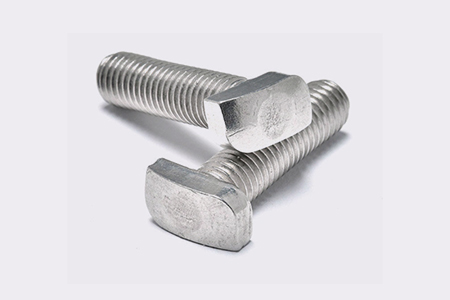
Stainless steel bolts are also widely used in industries with high hygiene and corrosion resistance requirements, such as food processing, medical devices, and pharmaceutical equipment. In these industries, stainless steel bolts not only need to meet stringent hygiene standards but also possess excellent corrosion resistance and contamination resistance to ensure product safety and reliability.
Although stainless steel bolts themselves possess strong corrosion resistance, they can still corrode or be damaged under certain extreme conditions. Therefore, regular inspection and maintenance of stainless steel bolts are crucial.
Keeping the bolt surface clean is key to preventing corrosion. Regularly cleaning the bolt surface to remove accumulated dust and dirt can effectively prevent corrosion problems caused by contaminants. When cleaning, use a soft-bristled brush and neutral detergent. Avoid using cleaners containing acidic or alkaline ingredients to prevent damage to the stainless steel surface.
Check the tightness of the bolts. During long-term use, bolts may loosen due to vibration or external forces. Therefore, it is necessary to check the tightness of the bolts regularly to ensure the stability of the connection. If loosening is found, tighten or replace them promptly.
In some special environments (such as extremely high temperature, high humidity, or highly acidic environments), protective treatment for stainless steel bolts can be considered, such as applying an anti-corrosion coating or using special high-temperature and acid/alkali-resistant stainless steel materials to extend their service life.
The load-bearing capacity of stainless steel bolts depends on their material, strength grade, and size. Generally, high-strength stainless steel bolts have a stronger load-bearing capacity, but the requirements of the connected components and the actual operating environment must be comprehensively considered during design and use.
Some stainless steel bolts (such as 316 stainless steel) have good high-temperature resistance and are suitable for high-temperature environments. However, the strength of bolts may decrease at excessively high temperatures. Therefore, when used in extremely high temperatures, materials specifically designed for high-temperature environments should be selected.
Red or brown rust spots on the surface of stainless steel bolts usually indicate that the surface is contaminated or corroded by external chemicals. In this case, cleaning or replacing the bolt can restore its performance.
When installing stainless steel bolts, avoid overtightening to prevent breakage or deformation due to overload. Additionally, ensure the threads are clean and prevent debris from entering the threads to ensure a secure tightening.
The main difference between stainless steel bolts and ordinary steel bolts lies in the corrosion resistance of the materials. Stainless steel bolts have strong oxidation resistance and corrosion resistance, allowing for long-term use in harsh environments such as humidity and salt spray. Ordinary steel bolts, on the other hand, are prone to rust and are suitable for environments with less stringent corrosion requirements.
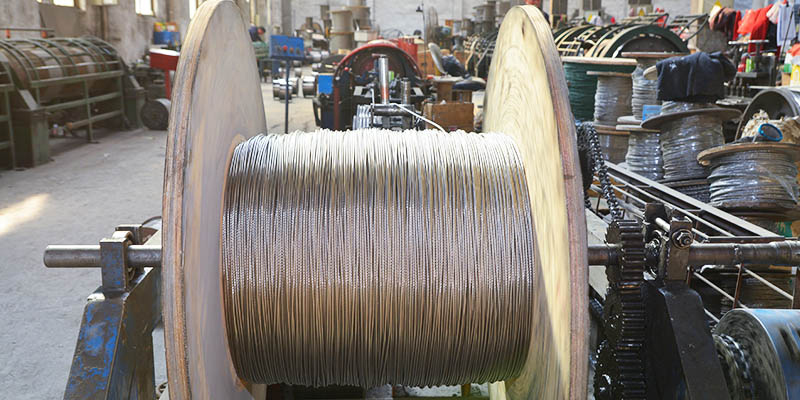

1×7 Stainless Steel Wire Rope Product Introduction Overview: The 1×7 stainless steel wire rope is a high-quality, durable, and versatile wire rope constructed from a single strand of seven individual ...
See Details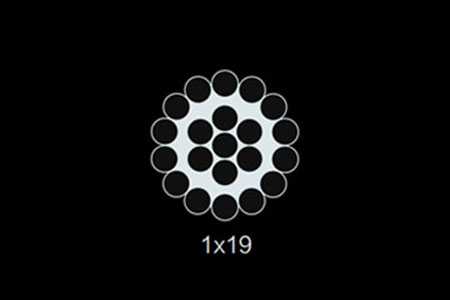
1×19 Stainless Steel Wire Rope Product Introduction Overview: The 1×19 stainless steel wire rope is a robust and high-strength wire rope made from a single strand of 19 individual wires twisted togeth...
See Details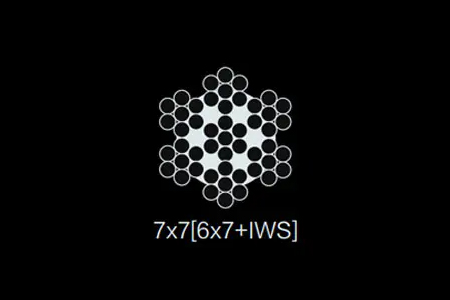
7×7 Stainless Steel Wire Rope Product Introduction Overview: The 7×7 stainless steel wire rope is a versatile, durable, and flexible wire rope made from seven strands, each containing seven individual...
See Details![7X19 [6x19+IWS] Stainless Steel Wire Rope 304/316](/steelwirerope-china/2024/12/20/4.jpg)
7X19 [6x19+IWS] Stainless Steel Wire Rope Product Introduction Overview: The 7X19 [6x19+IWS] stainless steel wire rope is a high-performance wire rope designed for applications that require maximum st...
See Details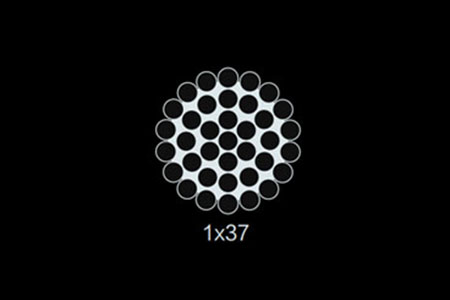
1×37 Stainless Steel Wire Rope Product Introduction Overview: The 1×37 stainless steel wire rope is a high-strength, durable wire rope made from a single strand of 37 individual wires twisted together...
See Details
6×7+FC Stainless Steel Wire Rope Product Introduction Overview: The 6×7+FC stainless steel wire rope is a high-quality wire rope designed for applications requiring both strength and flexibility. This...
See Details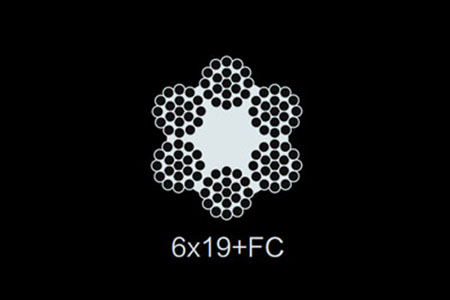
6×19+FC Stainless Steel Wire Rope Product Introduction Overview: The 6×19+FC stainless steel wire rope is a high-performance, versatile rope designed to provide exceptional strength, flexibility, and ...
See Details
19×7 Stainless Steel Wire Rope Product Introduction Overview: The 19×7 stainless steel wire rope is a high-performance wire rope designed for a wide range of applications requiring both strength and f...
See Details




 wechat scan