1×7 Stainless Steel Wire Rope Product Introduction Overview: The 1×7 stainless steel wire rope is a high-quality, durable, and versatile wire rope constructed from a single strand of seven individual ...
See Details


In modern shipbuilding and maintenance, marine hardware plays an irreplaceable role. From small recreational boats to large commercial vessels, the safety, durability, and operational convenience of ships all depend on high-quality marine hardware. As a fundamental component of marine equipment, the design, materials, and manufacturing processes of marine hardware directly affect ship performance and service life, and are therefore widely concerned and valued in the shipbuilding industry.
Marine hardware refers to various hardware fittings designed and manufactured specifically for the marine environment, including steering gear components, rigging accessories, anchoring equipment, portholes, and hatch hardware. These products typically need to possess corrosion resistance, oxidation resistance, and fatigue resistance to withstand the harsh conditions of high salt, high humidity, and strong winds and waves in the marine environment. Unlike general industrial hardware, every part of marine hardware bears the structural safety or operational convenience of the ship, and its reliability and precision are directly related to navigation safety.
In ship design, marine hardware is not only used for structural connection and fixation, but also a key link in achieving ship control and power transmission. Through high-performance marine hardware, ships can achieve smooth control, rapid adjustment of rigging, reliable equipment fixation, and efficient and safe anchoring. This makes marine hardware not only a functional part, but also an important support for improving ship performance.
The environment in which ships operate is unique, and the high salinity of seawater is extremely corrosive to metal products. Therefore, material selection is one of the most critical aspects in the design and production of marine hardware. High-quality marine hardware typically uses stainless steel, aluminum alloys, brass, and special composite materials. These materials not only possess excellent corrosion resistance, but also meet the needs of long-term maritime use in terms of strength and wear resistance.
Among them, stainless steel marine hardware is widely used due to its excellent corrosion resistance and mechanical properties. Precisely machined and surface-treated stainless steel parts can maintain their luster and strength for a long time in seawater environments, reducing maintenance frequency and improving ship operating efficiency. At the same time, aluminum alloy and brass marine hardware have unique advantages in lightweight and oxidation resistance, suitable for applications that are weight-sensitive or require electrical insulation.
High-performance marine hardware depends not only on the materials themselves, but also on advanced manufacturing processes and surface treatment technologies. The application of precision forging, CNC machining, laser cutting, and fine polishing technologies enables marine hardware to achieve industry-leading levels in strength, dimensional accuracy, and surface quality. Especially in high-load components, precision manufacturing significantly enhances the load-bearing capacity of parts and reduces the risk of fatigue damage.
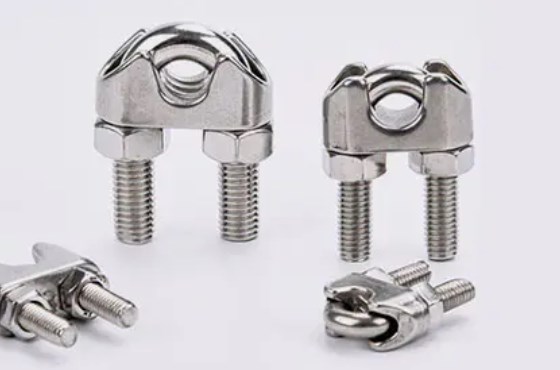
Surface treatment is also an indispensable aspect of marine hardware. Processes such as anodizing, electroplating, spraying, and anti-corrosion coatings further enhance the corrosion resistance, wear resistance, and aesthetics of the parts. In harsh marine environments, these surface treatment technologies extend the service life of marine hardware and ensure the efficient operation of ships for extended periods.
The design of marine hardware not only pursues functionality but also emphasizes safety and ease of operation. Whether it's a steering gear control system, rigging pulleys, or anchoring devices, the design of each component needs to fully consider the user's ease of operation, load-bearing capacity, and safety protection in case of accidents. Through designs that conform to ergonomics and mechanical principles, marine hardware can achieve efficient operation and reduce the risk of misuse.
Marine hardware for ships usually needs to accommodate multiple functions, such as corrosion resistance, impact resistance, load-bearing capacity, and anti-slip properties. Designers optimize structural form, material distribution, and surface treatment to minimize weight and maintenance costs while meeting performance requirements, achieving a balance between performance and practicality.
Even the highest quality marine hardware requires scientific maintenance and upkeep. Regular cleaning, lubrication, and inspection of fasteners can effectively prevent corrosion of metal parts by salt, sand, and seawater. For critical marine hardware components, regular corrosion testing and strength assessment are also necessary to ensure that the ship remains in optimal condition in various sailing environments. Proper maintenance not only extends the life of parts but also directly affects navigation safety and ship operating efficiency.
A: The high-salt and high-humidity environment of ships is extremely corrosive to metal parts. Special materials such as stainless steel, aluminum alloys, and brass provide excellent corrosion resistance and mechanical properties, extending their service life.
A: Surface treatments such as anodizing, electroplating, or powder coating not only enhance aesthetics but also improve corrosion resistance and wear resistance, reducing the frequency of maintenance for parts in marine environments.
A: Reliable marine hardware typically features high-precision manufacturing, robust and durable materials, optimized design structures, and undergoes rigorous testing and quality certification to ensure stable performance during long-term use at sea.
A: Maintenance is relatively simple, but requires regular cleaning, lubrication, and inspection of fasteners. Critical components also require corrosion testing and strength assessment to ensure safety and reliability.
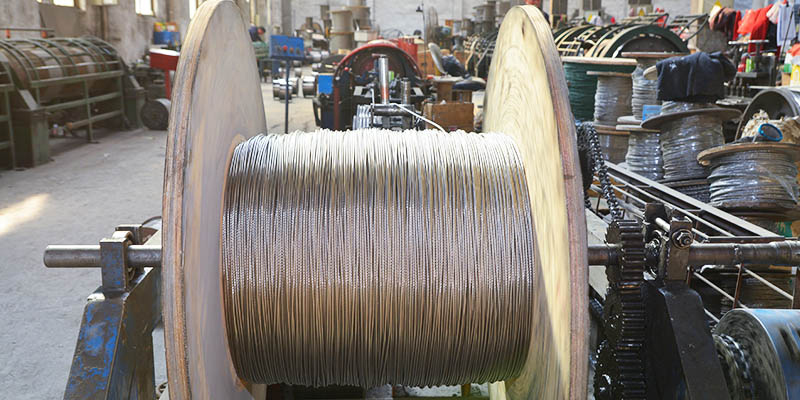

1×7 Stainless Steel Wire Rope Product Introduction Overview: The 1×7 stainless steel wire rope is a high-quality, durable, and versatile wire rope constructed from a single strand of seven individual ...
See Details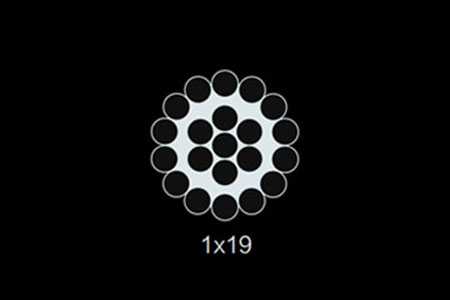
1×19 Stainless Steel Wire Rope Product Introduction Overview: The 1×19 stainless steel wire rope is a robust and high-strength wire rope made from a single strand of 19 individual wires twisted togeth...
See Details
7×7 Stainless Steel Wire Rope Product Introduction Overview: The 7×7 stainless steel wire rope is a versatile, durable, and flexible wire rope made from seven strands, each containing seven individual...
See Details![7X19 [6x19+IWS] Stainless Steel Wire Rope 304/316](/steelwirerope-china/2024/12/20/4.jpg)
7X19 [6x19+IWS] Stainless Steel Wire Rope Product Introduction Overview: The 7X19 [6x19+IWS] stainless steel wire rope is a high-performance wire rope designed for applications that require maximum st...
See Details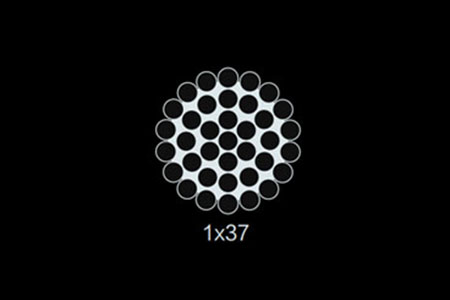
1×37 Stainless Steel Wire Rope Product Introduction Overview: The 1×37 stainless steel wire rope is a high-strength, durable wire rope made from a single strand of 37 individual wires twisted together...
See Details
6×7+FC Stainless Steel Wire Rope Product Introduction Overview: The 6×7+FC stainless steel wire rope is a high-quality wire rope designed for applications requiring both strength and flexibility. This...
See Details
6×19+FC Stainless Steel Wire Rope Product Introduction Overview: The 6×19+FC stainless steel wire rope is a high-performance, versatile rope designed to provide exceptional strength, flexibility, and ...
See Details
19×7 Stainless Steel Wire Rope Product Introduction Overview: The 19×7 stainless steel wire rope is a high-performance wire rope designed for a wide range of applications requiring both strength and f...
See Details




 wechat scan