1×7 Stainless Steel Wire Rope Product Introduction Overview: The 1×7 stainless steel wire rope is a high-quality, durable, and versatile wire rope constructed from a single strand of seven individual ...
See Details

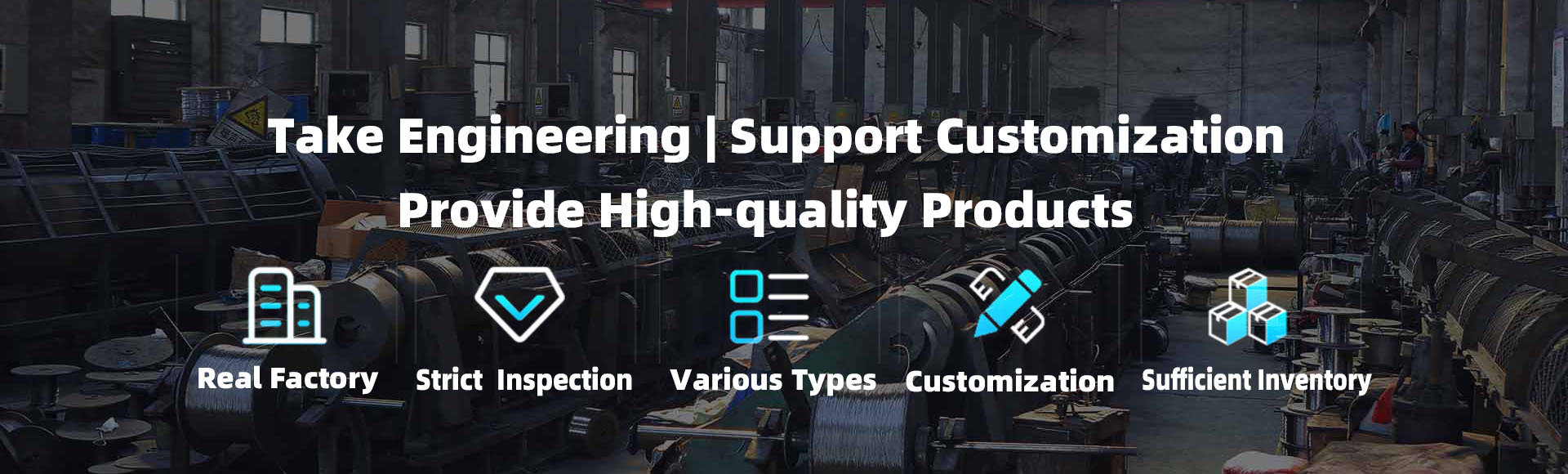
Stainless steel wire rope is a high-strength material widely used in various industrial fields. With its excellent corrosion resistance, outstanding mechanical strength, and superior fatigue resistance, it has become an indispensable part of many engineering projects. Over the past few decades, stainless steel wire rope has become one of the most common safety devices in hoisting, bridge construction, shipping, mining, and other heavy industries.
With continuous technological advancements, the manufacturing process of stainless steel wire rope has become increasingly mature, resulting in a wide variety of products to meet the needs of different environments.
Stainless steel wire rope is typically composed of multiple stainless steel wires. These wires undergo precise weaving, twisting, or winding processes to form an integral structure with high tensile strength and wear resistance. This structure gives the stainless steel wire rope good tensile strength and bending performance, allowing it to maintain a long service life even in extreme environments.
The main material of the stainless steel wire is 304 or 316 stainless steel, which has excellent corrosion resistance. 304 stainless steel is suitable for most applications, while 316 stainless steel, due to its superior corrosion resistance in marine environments, is widely used in marine engineering and the chemical industry. Furthermore, the oxidation resistance of stainless steel wire rope makes it particularly suitable for long-term exposure to harsh outdoor environments.
Because of its extremely strong corrosion resistance, stainless steel wire rope can resist the erosion of chemicals such as acids, alkalis, and salts, performing exceptionally well in humid, high-temperature, or corrosive gas environments. This characteristic has led to its widespread application in many industries, such as construction, transportation, and mining.
Stainless steel wire rope is widely used in many industries due to its excellent mechanical properties and corrosion resistance. In the construction industry, stainless steel wire rope is used in hoisting operations, bridge construction, and high-altitude operations. Especially in high-altitude and hoisting operations, stainless steel wire rope can withstand extremely high tensile forces and is not easily broken during use, greatly improving operational safety.
In shipping and marine engineering, the corrosion resistance of stainless steel wire rope is particularly important. Saltwater in the marine environment has a strong corrosive effect on metallic materials. Stainless steel wire rope, due to its excellent corrosion resistance, has become a crucial material for key components such as ship cables and offshore platform lifting ropes. It can maintain its performance for extended periods in extremely humid marine environments, ensuring the stability and safety of offshore operations.
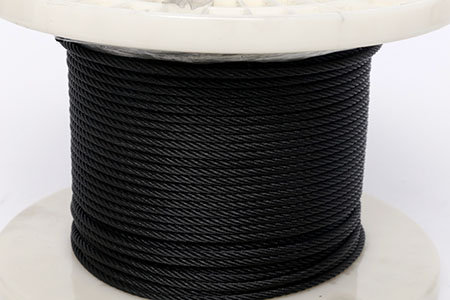
Stainless steel wire rope is also widely used in the mining, oil and gas extraction industries. In mining, wire ropes, as key components of hoisting equipment, conveyor belts, and support devices, bear significant weight and mechanical loads. Due to the strength and abrasion resistance of stainless steel wire rope, it effectively resists the wear and tear caused by the rough and complex environment of mines.
When purchasing stainless steel wire rope, several factors need to be considered to ensure it meets specific application requirements. Different applications have different requirements for the tensile strength, corrosion resistance, and fatigue resistance of wire ropes. Understanding the specifications and types of wire rope is crucial when purchasing.
Wire rope structures typically include single-strand, braided, and stranded forms. Single-strand wire ropes have high strength but are susceptible to wear during bending and handling. Braided and stranded wire ropes, due to their superior flexibility, can adapt to more complex working environments and are commonly used in high-altitude operations and complex machinery.
Different surface treatment processes for wire ropes also affect their performance. Surface galvanizing, stainless steel alloy treatment, and heat treatment can effectively improve the corrosion resistance and wear resistance of wire ropes, extending their service life. Especially in special environments, such as marine, chemical plant, and high-temperature environments, choosing a suitable surface treatment process is crucial.
Maintenance and inspection of wire ropes cannot be neglected. Although stainless steel wire ropes have a long service life, failure to conduct regular inspections and maintenance during use may lead to malfunctions due to prolonged overloading or corrosion damage. Therefore, when purchasing stainless steel wire ropes, it is best to choose certified manufacturers to ensure product quality and stability.
Because stainless steel wire ropes are typically used in high-risk working environments such as hoisting and load-bearing, their safety is paramount. Using substandard or severely worn wire ropes can lead to serious safety accidents. Therefore, during daily use, regularly check the condition of the wire rope to promptly identify and eliminate potential problems, ensuring a safe working environment.
To extend the service life of stainless steel wire ropes, users should also pay attention to wire rope maintenance. Avoid exposing the wire rope to extreme weather conditions and minimize excessive stretching and compression. Especially under frequent use, keeping the wire rope clean and lubricated can effectively reduce wear and ensure its long-term stable operation.
The maximum load of a stainless steel wire rope varies depending on the material, specifications, and structure. Generally, the load should be determined according to the manufacturer's technical parameters to ensure safe use.
Regularly clean and lubricate the wire rope, avoid prolonged exposure to humid or corrosive environments, check for broken wires, wear, or corrosion, and replace damaged parts promptly.
The service life of stainless steel wire rope depends on several factors, including usage frequency, working environment, and maintenance. Under normal conditions, well-maintained wire rope can last for several years.
316 stainless steel wire rope has stronger corrosion resistance, making it particularly suitable for marine or saline environments, while 304 stainless steel wire rope is suitable for most ordinary environments.
Stainless steel wire rope can withstand mechanical pressure in multiple directions, including tension, compression, and torsion, and is therefore widely used in heavy-duty work such as hoisting, transportation, and lifting.
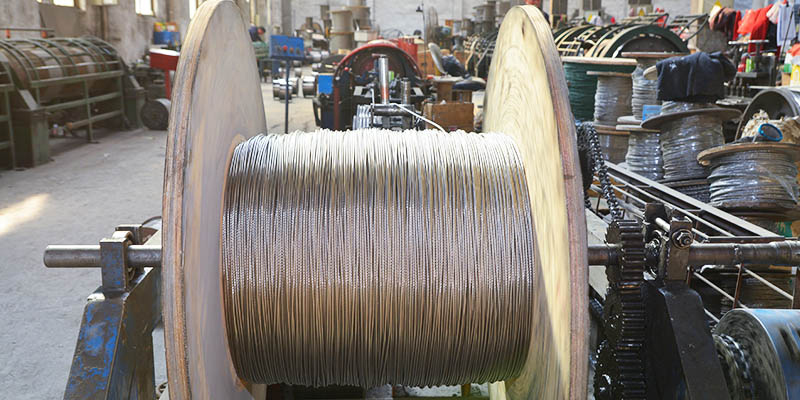

1×7 Stainless Steel Wire Rope Product Introduction Overview: The 1×7 stainless steel wire rope is a high-quality, durable, and versatile wire rope constructed from a single strand of seven individual ...
See Details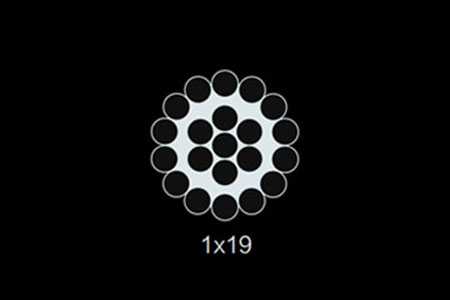
1×19 Stainless Steel Wire Rope Product Introduction Overview: The 1×19 stainless steel wire rope is a robust and high-strength wire rope made from a single strand of 19 individual wires twisted togeth...
See Details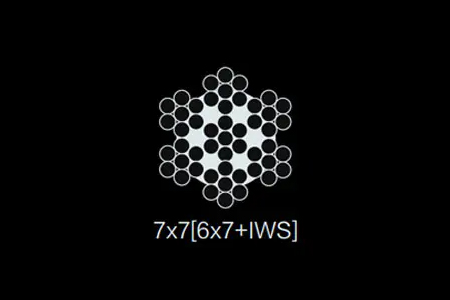
7×7 Stainless Steel Wire Rope Product Introduction Overview: The 7×7 stainless steel wire rope is a versatile, durable, and flexible wire rope made from seven strands, each containing seven individual...
See Details![7X19 [6x19+IWS] Stainless Steel Wire Rope 304/316](/steelwirerope-china/2024/12/20/4.jpg)
7X19 [6x19+IWS] Stainless Steel Wire Rope Product Introduction Overview: The 7X19 [6x19+IWS] stainless steel wire rope is a high-performance wire rope designed for applications that require maximum st...
See Details
1×37 Stainless Steel Wire Rope Product Introduction Overview: The 1×37 stainless steel wire rope is a high-strength, durable wire rope made from a single strand of 37 individual wires twisted together...
See Details
6×7+FC Stainless Steel Wire Rope Product Introduction Overview: The 6×7+FC stainless steel wire rope is a high-quality wire rope designed for applications requiring both strength and flexibility. This...
See Details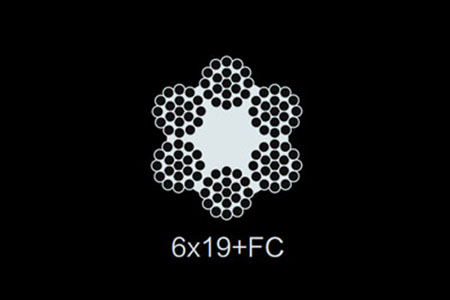
6×19+FC Stainless Steel Wire Rope Product Introduction Overview: The 6×19+FC stainless steel wire rope is a high-performance, versatile rope designed to provide exceptional strength, flexibility, and ...
See Details
19×7 Stainless Steel Wire Rope Product Introduction Overview: The 19×7 stainless steel wire rope is a high-performance wire rope designed for a wide range of applications requiring both strength and f...
See Details




 wechat scan