1×7 Stainless Steel Wire Rope Product Introduction Overview: The 1×7 stainless steel wire rope is a high-quality, durable, and versatile wire rope constructed from a single strand of seven individual ...
See Details

When it comes to reliable, long-lasting, and corrosion-resistant fastening solutions, stainless steel nuts are the definitive choice for engineers and builders worldwide. Unlike carbon steel alternatives that succumb to rust and degradation, stainless steel nuts provide unmatched durability in harsh environments, ensuring structural integrity and reducing long-term maintenance costs. Selecting the correct grade—whether it is the versatile austenitic series or the high-strength martensitic variants—is crucial for optimizing performance. By understanding their material properties, avoiding dissimilar metal pairings, and adhering to proper installation torques, professionals can guarantee the safety and longevity of any assembly. Ultimately, the slightly higher initial investment in stainless steel nuts pays for itself many times over through the prevention of catastrophic failures and the elimination of costly replacements.
To appreciate the value of stainless steel nuts, one must first understand the metallurgy that gives them their remarkable properties. Stainless steel is not a single material but a family of iron-based alloys containing a minimum of chromium. It is this specific element that provides the characteristic corrosion resistance. When exposed to oxygen, chromium forms a thin, invisible, and adherent layer of chromium oxide on the surface. This passive layer is self-healing; if the nut is scratched or damaged, the exposed chromium reacts with the surrounding oxygen to instantly repair the barrier. This self-healing passive layer is the fundamental mechanism that prevents rust and material degradation.
Beyond chromium, other alloying elements are added to tailor the mechanical and chemical properties of the steel. Nickel is commonly added to enhance ductility, toughness, and formability, while also improving corrosion resistance in acidic environments. Molybdenum is another critical addition, particularly for enhancing resistance to pitting and crevice corrosion in chloride-rich environments like marine settings. The specific combination and proportion of these elements dictate the microstructure of the steel, which in turn defines its performance characteristics. By manipulating these microstructures, metallurgists have developed distinct families of stainless steel, each engineered for specific industrial challenges.
Stainless steel nuts are not universally interchangeable. They are manufactured from different microstructural families of stainless steel, each offering distinct mechanical and chemical properties. Selecting the wrong type can lead to premature failure, even if the nut is made of stainless steel. Understanding these primary classifications is essential for specifying the correct fastener for a given application.
Austenitic stainless steels are the most widely used category for fastener production. Characterized by their face-centered cubic crystal structure, these alloys are non-magnetic in their annealed condition and cannot be hardened by heat treatment, though they gain significant strength through cold working. They offer excellent corrosion resistance and exceptional formability. The most common subtypes in this category include the widely utilized general-purpose grade and the marine-grade variant that includes molybdenum for superior pitting resistance.
Unlike austenitic steels, martensitic stainless steels possess a body-centered tetragonal structure and are characterized by their ability to be hardened through heat treatment. This makes them the go-to choice when high tensile strength and hardness are the primary requirements. However, this increased strength comes at the expense of ductility and corrosion resistance. Martensitic nuts are magnetic and are typically used in applications where moderate corrosion resistance is acceptable, but high mechanical strength is paramount.
Duplex stainless steels are engineered to combine the best attributes of both austenitic and ferritic microstructures. They offer roughly equal proportions of both phases, resulting in a material that is significantly stronger than standard austenitic grades while providing superior resistance to stress corrosion cracking. Duplex nuts are increasingly favored in highly aggressive environments where standard austenitic grades may fail prematurely.
The classification of stainless steel nuts is primarily driven by their alloy composition, which dictates their performance. Choosing the correct grade ensures that the fastener will survive its operating environment without compromising the integrity of the joint.
| Grade | Key Characteristics | Ideal Applications |
|---|---|---|
| General Purpose 18-8 | Good corrosion resistance, non-magnetic, highly ductile | Indoor equipment, kitchen appliances, and general architectural hardware |
| Marine Grade | Added molybdenum for superior pitting resistance | Coastal construction, boat fittings, chemical processing equipment |
| High Strength | Heat treatable, high hardness, magnetic | Pump shafts, turbine parts, valve components |
| Duplex | High strength, excellent stress corrosion cracking resistance | Offshore platforms, desalination plants, high-chloride environments |
When specifying a marine-grade nut for a coastal application, the presence of molybdenum is the critical differentiator. In environments with high salt spray, standard general-purpose nuts will often suffer from localized pitting corrosion, even if the overall surface appears intact. Upgrading to a marine grade prevents this localized attack, ensuring the clamping force of the bolted joint is maintained over decades of service.
The widespread adoption of stainless steel nuts across diverse industries is not coincidental. They offer a combination of benefits that alternative materials simply cannot match, making them a cornerstone of modern engineering design.
While stainless steel nuts are inherently corrosion-resistant, they can inadvertently become the catalyst for a destructive electrochemical process known as galvanic corrosion when paired with incompatible metals. This occurs when two dissimilar metals are in electrical contact in the presence of an electrolyte, such as rainwater or humidity. The metal with the lower galvanic potential acts as an anode and corrodes rapidly, while the stainless steel acts as the cathode and remains protected.
For example, pairing a stainless steel nut with a standard carbon steel bolt in an outdoor environment is a dangerous combination. The carbon steel will corrode at an accelerated rate, eventually leading to catastrophic joint failure. To mitigate this risk, engineers must carefully consider the galvanic series and take proactive steps to isolate the materials.
Proper installation is just as important as material selection. Stainless steel has unique mechanical properties—specifically, a tendency to gall—that require specific handling and tightening protocols to ensure a reliable bolted joint.
Galling is a form of severe adhesive wear that occurs during the tightening process. As stainless steel nuts are torqued, the high pressure breaks down the protective oxide layer, causing the bare metal surfaces to cold-weld together. If tightening continues, the threads can seize completely, stripping the nut or snapping the bolt. Galling is particularly prevalent in austenitic stainless steels due to their inherent ductility and tendency to generate high friction. To prevent this, it is standard practice to use specialized anti-seize lubricants formulated for stainless steel or to use nuts with a slightly different alloy composition than the bolts to reduce frictional heating.
Because stainless steel has a lower yield strength compared to hardened carbon steel, it is highly susceptible to over-torquing. Applying excessive torque can easily strip the internal threads of the nut or cause the bolt to yield and permanently deform. Installation must be performed using calibrated torque wrenches, strictly adhering to the manufacturer's torque specifications for the specific grade and diameter of the stainless steel nut. It is also critical to remember that lubricated fasteners require significantly less torque to achieve the same clamping force compared to dry fasteners. Failing to adjust the torque values when using anti-seize compounds can lead to dangerous overloading of the joint.
The versatility of stainless steel nuts allows them to be utilized across a vast spectrum of demanding industries. Each sector leverages specific properties of the material to solve unique engineering challenges.
In marine environments, the combination of saltwater, oxygen, and mechanical stress creates one of the most corrosive conditions possible. Marine-grade stainless steel nuts are the standard fastener for shipbuilding, offshore oil rigs, and dock construction. The molybdenum content in these grades provides the necessary resistance to chloride-induced pitting and crevice corrosion that would rapidly destroy standard fasteners. The reliability of these nuts ensures the structural integrity of critical load-bearing connections in turbulent ocean conditions.
Hygiene is the paramount concern in these industries. Stainless steel nuts are mandated because they do not harbor bacteria, can withstand aggressive chemical cleaning agents, and do not flake or shed into the product stream. The smooth, non-porous surface of austenitic nuts allows for complete sanitization, complying with stringent health and safety regulations. Furthermore, their resistance to acidic food products ensures that the processing equipment remains operational without the risk of contamination from rusting fasteners.
Modern architecture frequently utilizes stainless steel nuts for both structural and aesthetic purposes. In exposed structural connections, such as glass facades or suspension elements, the nuts must maintain their load-carrying capacity for decades without maintenance. Aesthetically, the clean, metallic finish of stainless nuts provides a premium appearance for visible connections in high-end construction, resisting the staining and degradation that plagues coated carbon steel in urban and coastal atmospheres.
While stainless steel nuts are renowned for their low maintenance requirements, they are not entirely maintenance-free. Regular inspection and proper care are essential to maximize their service life and prevent unexpected structural issues.
Surface contamination is a common issue that can undermine the corrosion resistance of stainless steel. Iron particles from nearby carbon steel fabrication or grinding operations can embed themselves in the surface of the nuts, creating localized rust spots known as "tea staining." To prevent this, stainless fasteners should be stored separately from carbon steel and handled with clean tools. If contamination occurs, the affected nuts should be treated with a passivating acid solution to dissolve the embedded iron and restore the chromium oxide passive layer.
During routine structural inspections, it is vital to check for signs of vibration loosening or stress corrosion cracking. Although stainless nuts are durable, dynamic loads and extreme environmental stressors can compromise the joint over time. If a nut is found to be loose, it should be re-torqued to the specified setting after inspecting the threads for damage or galling. Replacing a compromised stainless steel nut immediately is far more cost-effective than dealing with the cascading structural failures that result from a neglected bolted connection.
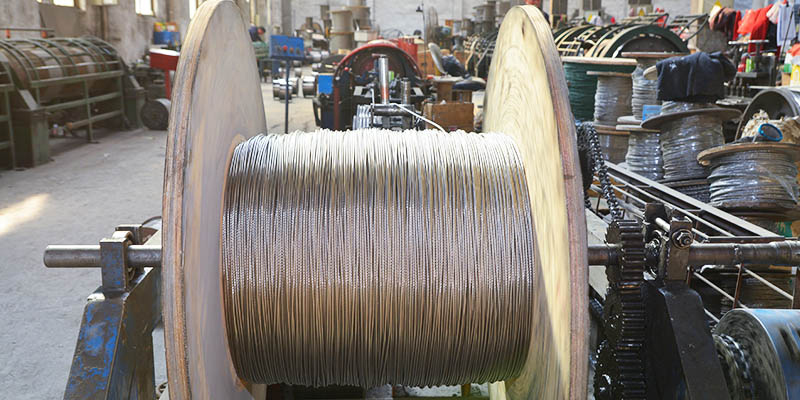
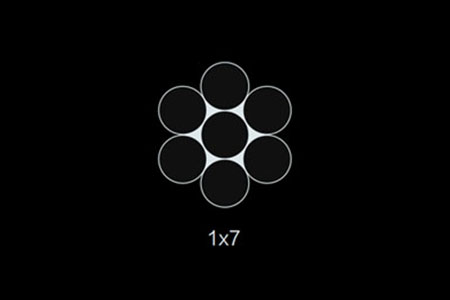
1×7 Stainless Steel Wire Rope Product Introduction Overview: The 1×7 stainless steel wire rope is a high-quality, durable, and versatile wire rope constructed from a single strand of seven individual ...
See Details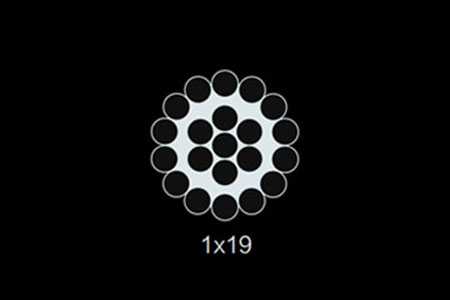
1×19 Stainless Steel Wire Rope Product Introduction Overview: The 1×19 stainless steel wire rope is a robust and high-strength wire rope made from a single strand of 19 individual wires twisted togeth...
See Details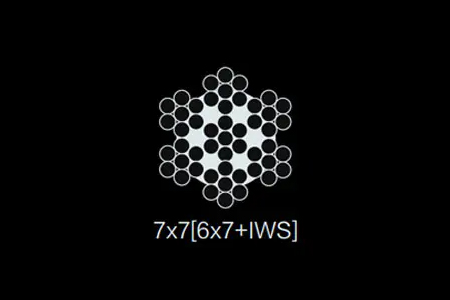
7×7 Stainless Steel Wire Rope Product Introduction Overview: The 7×7 stainless steel wire rope is a versatile, durable, and flexible wire rope made from seven strands, each containing seven individual...
See Details![7X19 [6x19+IWS] Stainless Steel Wire Rope 304/316](/steelwirerope-china/2024/12/20/4.jpg)
7X19 [6x19+IWS] Stainless Steel Wire Rope Product Introduction Overview: The 7X19 [6x19+IWS] stainless steel wire rope is a high-performance wire rope designed for applications that require maximum st...
See Details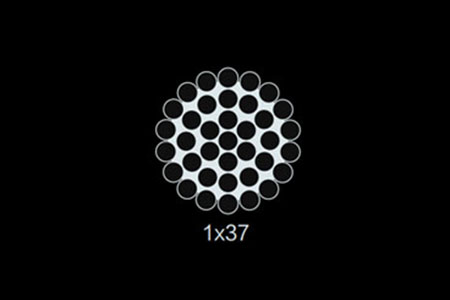
1×37 Stainless Steel Wire Rope Product Introduction Overview: The 1×37 stainless steel wire rope is a high-strength, durable wire rope made from a single strand of 37 individual wires twisted together...
See Details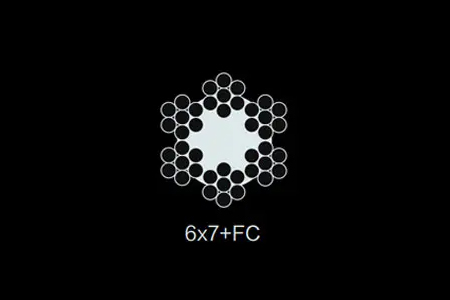
6×7+FC Stainless Steel Wire Rope Product Introduction Overview: The 6×7+FC stainless steel wire rope is a high-quality wire rope designed for applications requiring both strength and flexibility. This...
See Details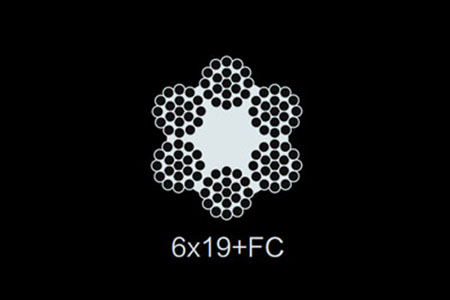
6×19+FC Stainless Steel Wire Rope Product Introduction Overview: The 6×19+FC stainless steel wire rope is a high-performance, versatile rope designed to provide exceptional strength, flexibility, and ...
See Details
19×7 Stainless Steel Wire Rope Product Introduction Overview: The 19×7 stainless steel wire rope is a high-performance wire rope designed for a wide range of applications requiring both strength and f...
See Details




 wechat scan