1×7 Stainless Steel Wire Rope Product Introduction Overview: The 1×7 stainless steel wire rope is a high-quality, durable, and versatile wire rope constructed from a single strand of seven individual ...
See Details

Choosing the wrong TIG filler rod is one of the fastest ways to end up with a weld that looks fine on the surface but fails under load, corrodes early, or cracks during multi-pass work. This guide covers how stainless steel TIG filler wire works, how to match a rod to your base metal and joint design, how to store it so it does not ruin your weld quality before it ever reaches the torch, and how to source it reliably as a bulk buyer.
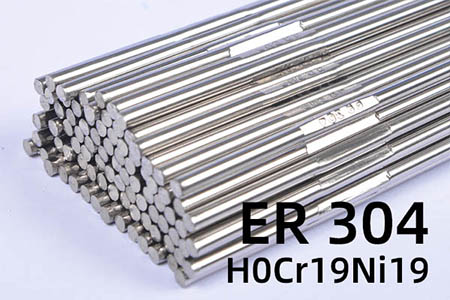
TIG (tungsten inert gas) welding uses a non-consumable tungsten electrode to create the arc, while the filler rod is fed into the weld pool by hand, separately from the arc itself. This is the core difference from MIG welding, where the wire itself is the electrode and is fed continuously through the gun by a wire feeder.
| Factor | TIG Filler Rod | MIG Wire |
| Form | Straight, cut-length rods (typically 36 inches) | Continuous spooled wire |
| Feeding | Fed manually with the free hand | Fed automatically through a wire feeder |
| Typical diameter range | 1/16 in to 3/16 in (1.6 mm to 4.8 mm) | 0.023 in to 0.045 in (0.6 mm to 1.2 mm) |
| Best suited for | Thin sheet, precision welds, visible cosmetic joints, pipe root passes | Thicker sections, higher travel speed, production runs |
For stainless steel fabrication, filler rod selection is built around matching the chemistry of the base metal. The most common stainless grades in circulation are:
| Filler Grade | Typical Base Metal | Notes |
| ER308 / ER308L | 304, 304L stainless | Most widely used general-purpose stainless filler |
| ER309 / ER309L | Dissimilar joints, stainless to carbon steel | Higher chromium and nickel content buffers dilution from carbon steel |
| ER316 / ER316L | 316, 316L stainless | Molybdenum addition for marine and chemical process environments |
If your project also involves aluminum or carbon steel components, those use a separate family of filler metals such as ER4043 or ER5356 for aluminum, and ER70S-2 for carbon steel. This guide focuses on stainless steel filler selection, since chemistry matching and corrosion performance work differently for stainless than for these other material groups.
Start with base metal chemistry, not the product catalog. For a straightforward 304 to 304 joint, ER308L is the standard choice. For 316 to 316 joints in marine, pharmaceutical, or chemical processing equipment, use ER316L. When welding stainless to carbon steel, or joining two different stainless grades, ER309L is the safer option because its higher alloy content compensates for dilution from the less-alloyed side of the joint.
The "L" designation matters for anything that will see multiple weld passes or post-weld heat exposure. Low-carbon (L-grade) filler reduces the risk of carbide precipitation at grain boundaries, which is what causes sensitization and localized corrosion later in service, particularly relevant for food equipment, pharmaceutical vessels, and pressure components.
Rod diameter should track base metal thickness and amperage, not personal preference. As a general reference:
| Base Metal Thickness | Typical Current Range | Suggested Rod Diameter |
| Up to 0.048 in (1.2 mm) | 30 to 60 A | 1/16 in (1.6 mm) |
| 0.06 to 0.125 in (1.5 to 3.2 mm) | 60 to 120 A | 1/16 in to 3/32 in (1.6 to 2.4 mm) |
| 0.125 to 0.25 in (3.2 to 6.4 mm) | 120 to 180 A | 3/32 in to 1/8 in (2.4 to 3.2 mm) |
| Above 0.25 in (6.4 mm) | 180 A and above | 1/8 in to 3/16 in (3.2 to 4.8 mm) |
With pulsed TIG, a smaller diameter rod can often bridge a slightly thicker joint than the table above suggests, because pulsing lowers average heat input while still giving enough peak current for good fusion. This is useful on thin sheet metal where distortion control matters more than deposition speed.
For beginners working with stainless steel, ER308L in 1/16 in diameter paired with a 3/32 in tungsten electrode covers the large majority of hobby and light fabrication work. Whatever grade you choose, confirm the rod carries an AWS A5.9 classification and comes with a mill test certificate, especially for structural, pressure-bearing, or food-contact applications where traceability may be required by inspectors or clients.
Filler rod that has absorbed moisture or picked up surface contamination will cause porosity, hydrogen-related cracking, and inconsistent arc behavior, regardless of how good the original alloy was. Storage discipline is as much a part of weld quality as machine settings.
Keep unopened rod in its original sealed tube until use. Once opened, transfer rods to a sealed storage tube or a humidity-controlled cabinet, and add a silica gel desiccant packet to absorb ambient moisture. Avoid storing rods in a cold workshop overnight and then opening the container in a warm, humid morning, since condensation forms quickly under that temperature swing. Store different grades separately and label containers clearly, mixing 308L and 316L rods in one open bin is a common cause of the wrong filler ending up in a critical weld.
Handle rods with clean gloves rather than bare hands. Skin oils and salts transfer to the rod surface and burn into the weld pool, contributing to porosity and discoloration. When cutting rods to length or deburring cut ends, wear cut-resistant gloves and eye protection, small metal shards can flick back during cutting.
General TIG safety practices apply on top of filler handling: use a welding helmet rated for the amperage range in use, ensure adequate ventilation since stainless steel welding produces hexavalent chromium fumes, keep a fire extinguisher within reach, and grind tungsten electrodes in a dedicated station with dust extraction rather than at the open bench.
For fabrication shops, distributors, and equipment manufacturers buying filler wire in volume, the sourcing decision looks different from a single-rod retail purchase. The priorities shift toward supplier verification, chemistry consistency across batches, and total landed cost rather than a per-unit shelf price.
Before committing to a bulk order, verify the following with any manufacturer or supplier:
| Check | Why it matters |
| ISO 9001:2015 certification | Confirms a documented quality management system across production |
| AWS A5.9 compliance and mill test certificates | Confirms chemistry matches the stated grade batch by batch |
| Sample availability before bulk order | Lets your welders test arc behavior and weld quality before committing volume |
| OEM or ODM packaging options | Allows custom rod length, tube quantity, and private label packaging for resale |
| Direct factory pricing vs distributor markup | Buying direct from the mill typically removes one or more markup layers |
Jiangsu Kailong Stainless Steel Products Co., Ltd. manufactures stainless steel TIG welding wire in-house, including ER308, ER308L, ER309, and ER316L grades, with ISO 9001:2015 certified production and mill test documentation available on request. As a direct manufacturer rather than a trading intermediary, Kailong offers OEM and ODM packaging, sample testing before bulk commitment, and factory-direct pricing for distributors and fabricators sourcing in volume.
Filler rod is a small line item in most project budgets, but the wrong grade or a contaminated rod can undo hours of fabrication work. Match your rod to the base metal chemistry, size it to your joint thickness and amperage, keep it dry and clean between uses, and buy from a supplier who can back up the chemistry with paperwork.
If you are sourcing stainless steel TIG wire for a fabrication shop, distribution business, or OEM production line, contact Jiangsu Kailong Stainless Steel Products Co., Ltd. for a sample or a bulk quote tailored to your grade, diameter, and packaging requirements.
What is the difference between MIG and TIG welding wire, and when should I use TIG?
MIG wire is continuously spooled and fed automatically through a gun, while TIG filler is a straight cut-length rod fed by hand into a separately generated arc. TIG suits thin material, precision joints, and applications where weld appearance and control matter more than deposition speed.
How do I choose the right TIG filler rod for my metal type?
Match the filler chemistry to the base metal: ER308L for 304 stainless, ER316L for 316 stainless, and ER309L for dissimilar or mixed-grade joints.
What are the most common TIG filler rod diameters and their typical uses?
1/16 in rods suit thin sheet up to about 0.048 in, 3/32 in rods cover mid-thickness plate, and 1/8 in and larger rods are used on material above 0.25 in with higher amperage.
Which filler rod is best for a beginner welding stainless steel?
ER308L in 1/16 in diameter is a practical starting point for most stainless steel sheet and light fabrication work.
What is the difference between 4043 and 5356 aluminum filler rods?
These are aluminum filler grades rather than stainless steel grades; 4043 is a silicon-alloy filler favored for general purpose and cast aluminum, while 5356 is a magnesium-alloy filler used for structural and marine aluminum where higher strength is needed.
How should I store TIG filler rods to prevent contamination?
Keep rods in their sealed tube or a humidity-controlled cabinet with a desiccant packet, avoid bare-hand contact, and store different grades separately and labeled.
Where can I find certified stainless steel TIG filler wire for bulk or OEM orders?
Look for a manufacturer with ISO 9001:2015 certification, AWS A5.9 compliant chemistry with mill test certificates, and sample availability before committing to volume, such as Jiangsu Kailong Stainless Steel Products Co., Ltd.
References: American Welding Society (AWS A5.9 specification for bare stainless steel welding electrodes and rods); ISO 9001:2015 Quality Management Systems.
Jiangsu Kailong Stainless Steel Products Co., Ltd. | Dongbei Industrial Park, Dainan Town, Xinghua County, Taizhou City, Jiangsu Province, China | sales@steelwirerope-china.com
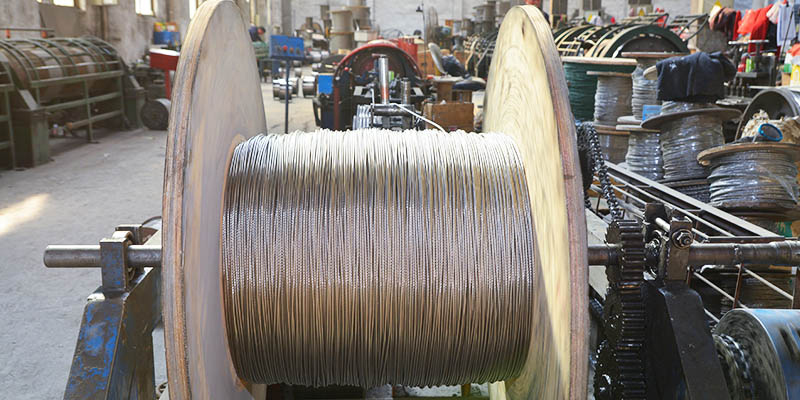

1×7 Stainless Steel Wire Rope Product Introduction Overview: The 1×7 stainless steel wire rope is a high-quality, durable, and versatile wire rope constructed from a single strand of seven individual ...
See Details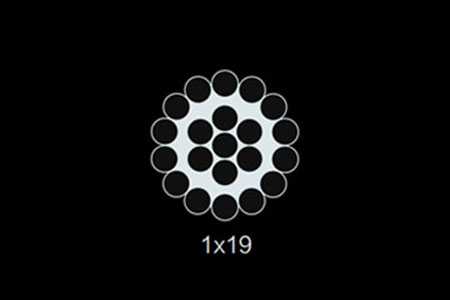
1×19 Stainless Steel Wire Rope Product Introduction Overview: The 1×19 stainless steel wire rope is a robust and high-strength wire rope made from a single strand of 19 individual wires twisted togeth...
See Details
7×7 Stainless Steel Wire Rope Product Introduction Overview: The 7×7 stainless steel wire rope is a versatile, durable, and flexible wire rope made from seven strands, each containing seven individual...
See Details![7X19 [6x19+IWS] Stainless Steel Wire Rope 304/316](/steelwirerope-china/2024/12/20/4.jpg)
7X19 [6x19+IWS] Stainless Steel Wire Rope Product Introduction Overview: The 7X19 [6x19+IWS] stainless steel wire rope is a high-performance wire rope designed for applications that require maximum st...
See Details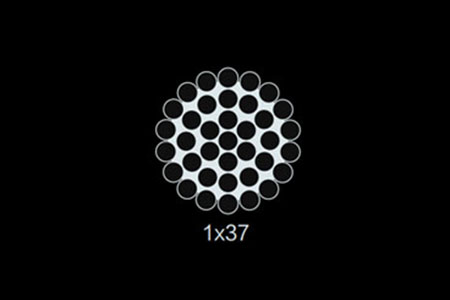
1×37 Stainless Steel Wire Rope Product Introduction Overview: The 1×37 stainless steel wire rope is a high-strength, durable wire rope made from a single strand of 37 individual wires twisted together...
See Details
6×7+FC Stainless Steel Wire Rope Product Introduction Overview: The 6×7+FC stainless steel wire rope is a high-quality wire rope designed for applications requiring both strength and flexibility. This...
See Details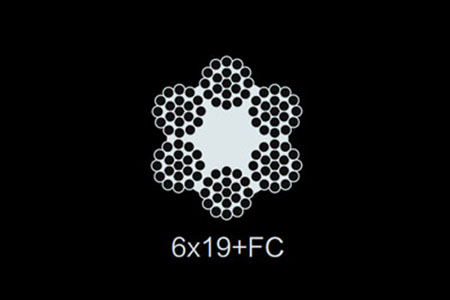
6×19+FC Stainless Steel Wire Rope Product Introduction Overview: The 6×19+FC stainless steel wire rope is a high-performance, versatile rope designed to provide exceptional strength, flexibility, and ...
See Details
19×7 Stainless Steel Wire Rope Product Introduction Overview: The 19×7 stainless steel wire rope is a high-performance wire rope designed for a wide range of applications requiring both strength and f...
See Details




 wechat scan