1×7 Stainless Steel Wire Rope Product Introduction Overview: The 1×7 stainless steel wire rope is a high-quality, durable, and versatile wire rope constructed from a single strand of seven individual ...
See Details

Roughly six percent of the stainless steel the world melts each year leaves the mill as wire rod, and almost all of that rod is drawn into wire between 0.025 mm and 12 mm. That single conversion step supplies welding consumables, cold-formed fasteners, springs, architectural mesh and the rope that holds cranes, bridges and offshore platforms together. Tracking the global demand for stainless steel wire is therefore a matter of reading mill order books eight to twelve weeks before the equipment that will consume the wire is assembled.
That timing gap is the practical problem for buyers. A distributor in Rotterdam, a fastener plant in Monterrey and a rigging supplier in Jebel Ali all commit to forecasts, and the mill they choose decides whether a 20 tonne order lands in five weeks or eleven. What follows covers where the volume actually sits, which grades carry it, and how to qualify a supplier before the first purchase order is issued.
Electrification build-out, the replacement of coated carbon steel in corrosive service, and the migration of welding capacity toward Asia account for most of the current growth in stainless wire consumption.
Grid and energy projects are the largest single addition. Substation hardware, cable tray systems, battery plant piping and electric vehicle assembly fixtures all rely on stainless fasteners and wire-based components, and one new battery plant can absorb several hundred tonnes of stainless fasteners, mesh and cable accessories during construction. Because those installations sit outdoors or in wash-down areas, 304 is the floor and 316 is common.
The second driver is service life. In coastal, chemical and food processing plants, hot-dip galvanised wire typically needs replacement within 8 to 12 years, while 316 wire in the same position routinely runs past 25 years without recoating. Once scaffolding, downtime and maintenance access are costed in, the stainless option usually wins even at three times the material price.
Stainless steel wire is a cold-drawn long product made from stainless wire rod, generally 304 (1.4301) or 316 (1.4401), supplied in diameters from 0.025 mm to 12 mm in coils, spools or straight lengths. The grade sets corrosion resistance; drawing, annealing and surface finishing set tensile strength, diameter tolerance and finish. A supplier that controls the grade but not the drawing process controls only half of the quality variables.
Asia-Pacific remains the largest consuming and exporting region, Europe buys the most tightly specified wire, and the Middle East and Latin America show the fastest growth in chloride-resistant grades.
| Region | Primary demand driver | Dominant grades | Typical buying pattern |
| Asia-Pacific excl. China | Grid upgrades, appliance and fastener exports | 304, 316, 316L | Full container orders, 4 to 8 week lead times |
| China | Domestic construction, welding consumables, re-export | 304, 316L, 308 and 309 filler | High volume, short lead times, heavy price competition |
| Europe | Automotive, food processing, architectural mesh | 316 and 316L emphasis | Specification driven, DIN and EN tolerances |
| North America | Energy, marine, medical and food equipment | 316L, 304 | Smaller lots with heavy traceability requirements |
| Middle East and Africa | Desalination, oil and gas, construction | 316, 316L | Project based, corrosion warranty clauses |
| Latin America | Mining, agriculture, food processing | 304, 316 | Mixed containers, distributor led |
The regional pattern matters at the scheduling stage. Grades a region does not consume in volume are usually drawn to order rather than held in stock, which adds two to three weeks to any quotation that assumes shelf availability.
If the specification is still open and chlorides are absent, 304 wins on cost; if chlorides are present, 316 wins on life. Those two grades account for roughly 80 percent of stainless wire ordered worldwide, and the gap between them is the single most expensive decision in a wire specification.
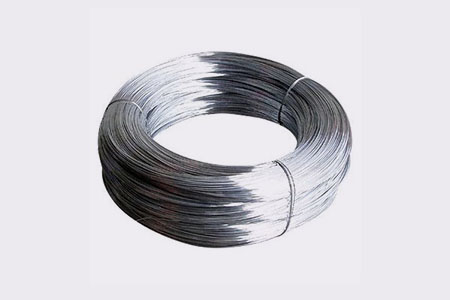 High-Strength Stainless Steel Wire in 302, 304, 316 and 316LCompare 304 and 316 grades here, then specify diameter, tolerance and tensile class before quoting wire for chlorides or open specifications.View Product →
Diameter and tensile class often matter more than grade at the drawing stage. A 1.0 mm wire specified at 1,750 MPa needs a different anneal and pass schedule than the same grade at 1,300 MPa, so a supplier quoting both from one stock description is not checking the process route. Buyers should fix diameter, tolerance band and tensile class in writing before comparing prices.
Welding consumables, fasteners and wire rope together absorb well over half of all stainless wire drawn worldwide, which is why a slowdown in one of them rarely stays local.
Estimated share of stainless steel wire consumption by end use, 2026
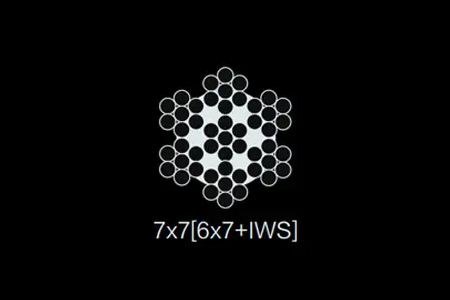 7×7 Stainless Steel Wire Rope in 304, 316 and 316LFor flexible lifting, rigging and mooring, this 7×7 rope balances strength, corrosion resistance and bendability around pulleys and sheaves.View Product →
For procurement teams, this mix explains lead time differences. Welding wire is a fast-moving consumable that mills keep in schedule, while rope and mesh grades are often drawn against a specific order.
The cost structure has a direct procurement consequence: alloy surcharges, not conversion fees, decide whether a quotation stays valid for 15 days or 60. Buyers who lock a monthly price without an alloy clause absorb the full risk of a nickel move, and 2024 to 2026 showed how quickly that exposure builds on a 20 tonne contract.
Lead times behave differently. Standard 304 grades in common diameters ship from stock or short schedule in four to eight weeks, while 316L in non-standard diameters, high tensile classes or special spool lengths commonly run eight to twelve weeks. Ordering a single trial coil early costs less than expediting a full container later.
Import substitution is the structural change behind much of the current supply picture. Mills in Dainan, Jiangsu province, have moved into high-requirement wire that European and Japanese buyers previously imported as a matter of routine, supported by integrated drawing, annealing, surface treatment and packaging under one roof. JiangSu Kailong Stainless Steel Products Co., Ltd., founded in 2006 and certified to ISO 9001:2015, is one of the factories producing at that level, with output in the tens of thousands of tonnes per year and export service covering English, Russian and Arabic speaking markets.
Volume growth also pushes buyers toward system purchasing. Ordering wire, end fittings and tensioning hardware as one matched assembly removes the tolerance mismatch that appears when a 6 mm rope is paired with fittings sized for a different construction.
 Stainless Steel Turnbuckles for Wire Rope Tensioning and RiggingMatch these 304/316 turnbuckles with wire and fittings to remove tolerance mismatches in marine, construction or industrial tensioning assemblies.View Product →
A supplier that clears those five steps rarely surprises a buyer on delivery. A supplier that resists step four will eventually fail step three at a scale that costs far more than the sample.
Grade 304 is the highest-volume stainless wire grade globally, followed by 316 and 316L. Together they represent roughly 80 percent of wire orders, with 304 dominating general industrial, fastener and mesh applications and 316 taking marine, chemical, desalination and medical work.
It is growing, but unevenly. Electrification, water treatment and food processing projects are adding volume, while construction-driven demand in mature markets is close to flat. Growth is concentrated in chloride-resistant grades rather than in commodity 304.
Nickel and molybdenum prices. Alloy content accounts for 60 to 70 percent of the movement in a typical 316 quotation, so alloy surcharge clauses and quotation validity periods matter more to final cost than the drawing fee itself.
For 304 in a standard diameter, four to eight weeks is normal. For 316L in a non-standard diameter or tensile class, plan on eight to twelve weeks. Building that window into a project schedule is cheaper than expediting freight later.
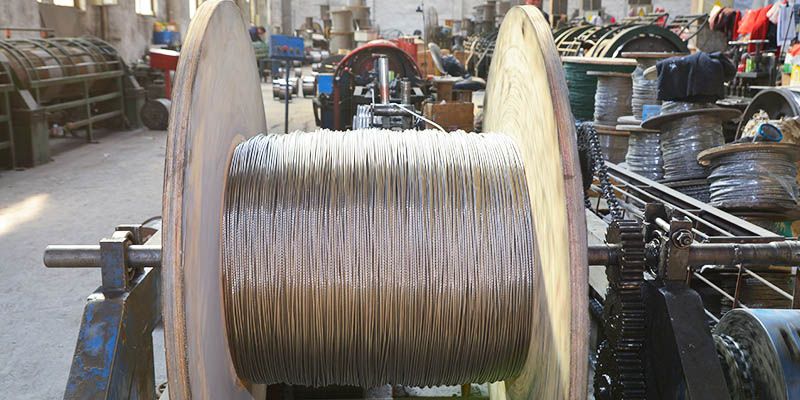

1×7 Stainless Steel Wire Rope Product Introduction Overview: The 1×7 stainless steel wire rope is a high-quality, durable, and versatile wire rope constructed from a single strand of seven individual ...
See Details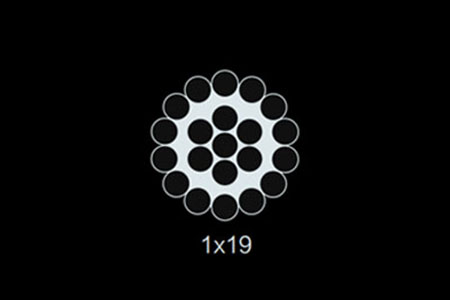
1×19 Stainless Steel Wire Rope Product Introduction Overview: The 1×19 stainless steel wire rope is a robust and high-strength wire rope made from a single strand of 19 individual wires twisted togeth...
See Details
7×7 Stainless Steel Wire Rope Product Introduction Overview: The 7×7 stainless steel wire rope is a versatile, durable, and flexible wire rope made from seven strands, each containing seven individual...
See Details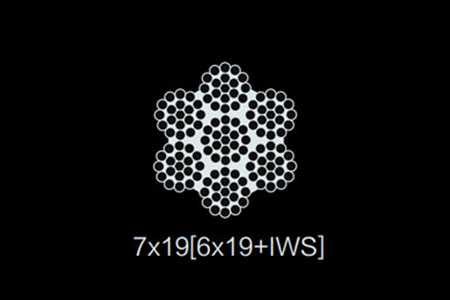
7X19 [6x19+IWS] Stainless Steel Wire Rope Product Introduction Overview: The 7X19 [6x19+IWS] stainless steel wire rope is a high-performance wire rope designed for applications that require maximum st...
See Details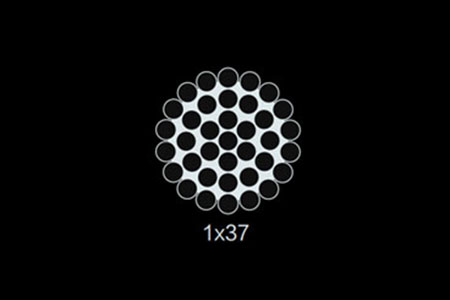
1×37 Stainless Steel Wire Rope Product Introduction Overview: The 1×37 stainless steel wire rope is a high-strength, durable wire rope made from a single strand of 37 individual wires twisted together...
See Details
6×7+FC Stainless Steel Wire Rope Product Introduction Overview: The 6×7+FC stainless steel wire rope is a high-quality wire rope designed for applications requiring both strength and flexibility. This...
See Details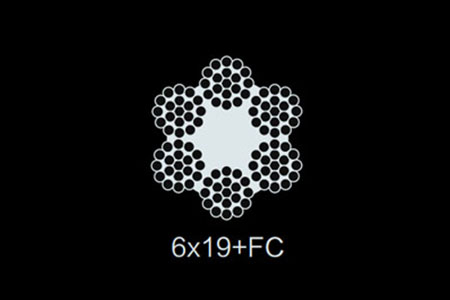
6×19+FC Stainless Steel Wire Rope Product Introduction Overview: The 6×19+FC stainless steel wire rope is a high-performance, versatile rope designed to provide exceptional strength, flexibility, and ...
See Details
19×7 Stainless Steel Wire Rope Product Introduction Overview: The 19×7 stainless steel wire rope is a high-performance wire rope designed for a wide range of applications requiring both strength and f...
See Details




 wechat scan