1×7 Stainless Steel Wire Rope Product Introduction Overview: The 1×7 stainless steel wire rope is a high-quality, durable, and versatile wire rope constructed from a single strand of seven individual ...
See Details

Stainless steel wire rope mesh — also called cable mesh, wire rope netting, or cable netting — is a flexible, open-structure mesh material woven or interlinked from stainless steel wire rope rather than from conventional wire. Unlike standard wire mesh (which is woven from individual rigid wires and has limited flexibility and stretch), wire rope mesh is fabricated from flexible multi-wire stranded cable — the same wire rope used in rigging and lifting applications — which gives it a distinctive combination of properties: high tensile strength, significant flexibility and conformability, excellent resistance to impact and puncture, and a visually open, transparent aesthetic that standard wire mesh cannot replicate.
For architects, engineers, zoo and wildlife park designers, slope protection specialists, and procurement teams sourcing specialized mesh for containment, safety, or architectural applications, understanding what stainless steel wire rope mesh is, how it is manufactured, and what its range of applications encompasses is the basis of an informed material selection decision. This guide covers all of these dimensions.
Wire rope mesh is produced by interweaving or interlinking individual wire rope cables to form a panel with a defined mesh opening size and overall dimensions. The two main manufacturing methods produce different mesh geometries and properties:
Ferrule-pressed (cable mesh/ferrule cable netting). Individual lengths of wire rope are threaded through stainless steel ferrule sleeves at each intersection point, and the ferrules are mechanically pressed onto the rope to lock the intersection permanently. This creates a mesh with a defined diamond-shaped opening pattern. The ferrule-pressed method produces high-precision, consistent mesh panels with defined opening sizes and known mechanical properties per panel. It is the standard method for zoo containment mesh, architectural facade mesh, and safety netting where uniform mesh dimensions and maximum strength at intersections are required.
Woven or braided mesh. Wire ropes are woven together without ferrules by interlacing in a pattern that uses the rope-over-rope contact at intersections to hold the structure together. Woven mesh is more flexible than ferrule-pressed mesh (the intersections can slide slightly, allowing the mesh to conform to curved surfaces) and is the standard construction for slope protection and rock fall prevention applications where the mesh must wrap around irregular terrain. The mesh opening dimensions in woven construction are controlled by the wire rope diameter and the weave pitch.
When specifying or procuring stainless steel wire rope mesh, the key parameters that define the product are:
Wire rope diameter (mm). The diameter of the individual wire rope cables that form the mesh. Common diameters range from 1.0mm to 4.0mm for architectural and zoo applications; slope protection mesh may use heavier cable up to 8mm or more. Wire rope diameter is the primary determinant of the mesh's mechanical strength — breaking force per strand and therefore the mesh's resistance to puncture and impact loads.
Mesh opening size (mm). The clear opening dimension of each mesh cell — the space between adjacent wire rope cables at the widest point. For zoo enclosures, the opening size must be smaller than the smallest body part (typically a limb) that must be contained — a general guideline is opening sizes of 30–80mm for small primates, 50–100mm for medium-sized animals, and 80–150mm for large cats and large primates, though the specific containment standard for the animal species must be confirmed with zoo safety guidelines. For architectural applications, opening size affects transparency, aesthetics, and the size of objects or debris that can pass through.
Wire rope construction. Most wire rope mesh for architectural and zoo applications uses 7×7 construction wire rope for its balance of flexibility and strength. Higher-flexibility 7×19 rope is used in applications requiring the mesh to conform to very tight curves; stiffer 1×7 or 1×19 strand is used in slope protection where rigidity and maximum strength are prioritized.
Material grade. Grade 316 stainless steel is the standard specification for outdoor and marine applications because of its superior resistance to chloride-induced corrosion compared to grade 304. For zoo enclosures, which are frequently hosed down with water and cleaning chemicals, grade 316 is strongly recommended. Grade 304 is acceptable for indoor architectural applications in dry environments.
Panel dimensions and edge termination. Wire rope mesh is supplied in panels of specific dimensions (length × width) with edge termination — typically a border rope (a heavier cable around the mesh perimeter to which the mesh cables are terminated) that allows the mesh to be tensioned and attached to a frame or post structure. The border rope diameter and the attachment method must be specified to suit the installation structure design.
Animal containment is one of the primary applications for stainless steel wire rope mesh, and the application where its specific properties most clearly outperform alternative materials. Zoos and wildlife parks worldwide use wire rope mesh for the enclosures of big cats (lions, tigers, leopards, cheetahs), great apes (gorillas, chimpanzees, orangutans), birds of prey (eagles, hawks, vultures), reptiles (large monitor lizards, crocodilians), wolves and large canids, and many other species.
The reasons for preferring stainless steel wire rope mesh over chain link fencing, welded wire mesh, glass, or other containment materials in zoo applications are compelling:
Transparency and visual openness. Chain link and welded wire mesh create a visual barrier between visitors and animals — the wire pattern visually disrupts the view and creates a "cage" aesthetic at odds with modern zoo design philosophy of immersive, naturalistic exhibits. Wire rope mesh, with its fine cable and large open area percentage (typically 70–90% open area depending on opening size), is nearly invisible from visitor distances, creating an unobstructed view of the exhibit that dramatically improves the visitor experience. Zoo animals can also see out more clearly through wire rope mesh than through chain link, which reduces stress behaviors associated with enclosure confinement.
Resistance to animal manipulation and destruction. Large primates and big cats can pull, bite, and manipulate chain link and welded wire mesh over time, deforming it and eventually creating escape routes or self-injury risks. Wire rope mesh resists manipulation because it is flexible enough to absorb gripping and pulling forces without plastic deformation — the mesh flexes but returns to its original geometry, it does not permanently bend or deform under animal pressure the way rigid wire panel can.
Long service life. Grade 316 stainless steel wire rope mesh in zoo environments, subject to regular high-pressure hosing, animal contact, UV exposure, and outdoor weather, has service lives measured in decades — significantly longer than galvanized chain link or powder-coated welded panel, which corrode and degrade in the high-moisture, high-hygiene-product zoo environment.
Design flexibility. Wire rope mesh can be fabricated to any shape, tensioned over curved frames, and installed on complex three-dimensional enclosure structures that would not be possible with rigid panel materials. This allows zoo exhibit designers to create curved, organic enclosure shapes that complement naturalistic habitat design.
In civil engineering and mining, wire rope mesh (typically in galvanized carbon steel for most slope protection applications, with stainless steel used in highly corrosive or coastal environments) is installed on unstable slopes to prevent rock fragments and loose material from falling onto roads, railways, infrastructure, and populated areas below. The mesh is anchored to the slope with rock bolts or anchor plates and drapes over the slope surface, allowing small rock movement and displacement while containing fragments within the mesh and directing them to a catchment area at the slope base.
Stainless steel wire rope mesh is specified for slope protection in marine cliff environments, acidic soil zones, mining sites with chemically aggressive drainage, and high-value infrastructure applications where the higher cost of stainless steel is justified by the extended service life in corrosive conditions.
The visual transparency and refined aesthetic of stainless steel wire rope mesh make it an increasingly popular material in contemporary architecture and interior design. Applications include:
Building facade panels. Wire rope mesh installed as cladding panels on commercial building facades provides solar shading, reduces wind load on glazing, creates a distinctive visual texture, and adds a layer of security. The mesh's high transparency allows natural light to penetrate while reducing direct solar gain. Several landmark commercial buildings in Europe, the Middle East, and Asia use stainless steel wire rope mesh as a primary facade element.
Stair and balcony infill panels. Replacing glass or solid panel infill in stair balustrades and balcony guardrails with wire rope mesh creates a lighter, more open visual aesthetic while maintaining code-compliant containment performance. The mesh must be specified to meet the applicable building code requirements for stair and balcony infill — typically requiring resistance to a specified point load applied to the mesh panel, and maximum opening size to prevent child entrapment.
Interior ceiling and wall panels. In retail environments, hotels, airports, and entertainment spaces, wire rope mesh is used as decorative ceiling panels and feature wall cladding — the material's metallic luster, geometric pattern, and variable opening sizes create striking visual effects in commercial interiors.
Green wall support structures. The open structure of wire rope mesh makes it an effective climbing support for vertical garden and green wall installations, allowing plant tendrils and stems to anchor to the cable intersections while maintaining the free-draining structure required for healthy plant growth.
Wire rope mesh is used as safety netting in industrial, construction, and infrastructure applications where falling objects or personnel must be arrested. Bridge deck safety nets below maintenance walkways, industrial mezzanine and elevated platform edge protection, construction site perimeter safety nets, and underfloor service area protection are all applications where wire rope mesh provides compliant fall protection with long service life and minimal maintenance compared to synthetic fiber netting.
The relevant standards for safety net and fall protection applications (EN 1263-1 for construction safety nets; country-specific working at height regulations) define the mesh opening size, breaking strength, and installation requirements that the wire rope mesh specification must meet.
For large aviary enclosures, wire rope mesh offers the critical combination of fine enough opening to contain the target bird species while maintaining sufficient transparency that the bird enclosure appears open and naturalistic rather than enclosed. Large walk-through aviaries for tropical bird collections, bird of prey exhibits, and flamingo paddocks are common applications. The mesh must be specified with opening sizes appropriate to the species — typically 20–50mm for small exotic birds, 50–80mm for medium birds such as peacocks and cranes, and 80–150mm for large birds such as eagles and vultures.
Wire rope mesh panels are typically attached to a supporting framework — steel posts, tube frames, or structural steel sections — through the border rope at the panel perimeter. The border rope is connected to the frame using shackles, carabiners, or purpose-designed tensioning fittings (such as turnbuckles or jaw-and-jaw fittings) that allow the mesh to be tensioned to remove slack and achieve the desired tautness. For zoo enclosure applications, the mesh is typically tensioned to a defined pre-tension force to eliminate hand-hold opportunities and ensure the mesh returns to geometry after animal contact. The frame design must account for the loads applied by the tensioned mesh and any additional animal impact or wind loads in the design calculations.
Stainless steel wire rope mesh (grade 316) in outdoor applications requires minimal maintenance compared to galvanized or painted alternatives. Periodic inspection for wire breakage (individual wire failures at inspection points, kinks at cable intersections, or visible corrosion indicating localized contamination) should be performed on the schedule specified by the installation designer or mesh manufacturer — typically annually for most applications. In zoo enclosures, daily visual inspection by keeper staff before animals are released into the enclosure is standard practice, looking for any signs of mesh damage or wire failure that could compromise containment integrity. Cleaning with water and a mild neutral detergent removes biological contamination, salt deposits, and airborne particulate. Avoid chloride-containing cleaning agents on 304 grade mesh; 316 grade can withstand periodic chlorinated water contact.
Yes — the inherent flexibility of wire rope mesh (particularly ferrule-pressed mesh with 7×7 or 7×19 wire rope) allows it to be shaped and tensioned over curved and compound-curved surfaces during installation. This is one of its key advantages over rigid mesh panels or glass for architectural and zoo enclosure applications. The minimum bending radius the mesh can conform to is limited by the wire rope diameter and the mesh opening size — mesh with a smaller opening size and finer wire can conform to tighter curves. The installation design should confirm the minimum radius requirements for the intended curved sections and specify mesh dimensions accordingly. Complex doubly-curved surfaces (convex in two directions simultaneously, such as a dome) are achievable with proper cutting and tensioning of the mesh, though this requires experienced installation expertise.
Jiangsu Kailong Stainless Steel Products Co., Ltd., Xinghua, Jiangsu, manufactures stainless steel wire rope mesh in ferrule-pressed and woven constructions for zoo enclosures, architectural applications, slope protection, aviary netting, and safety applications. Available in wire rope diameters from 1.0mm to 6.0mm, mesh opening sizes from 30mm to 200mm, grades 304 and 316, with custom panel dimensions and border rope configurations. Matching wire rope rigging hardware (shackles, turnbuckles, carabiners, anchor plates) available. Technical support for mesh specification and installation design is available. Products exported globally for zoo, architectural, and civil engineering applications.
Contact us with your application type, required mesh opening size, wire rope diameter, panel dimensions, and material grade to receive samples and pricing.
Related Products: Stainless Steel Wire Rope Mesh | Stainless Steel Wire Rope | Steel Wire Rope Rigging Hardware | Stainless Steel Round Ring | Stainless Steel Wire
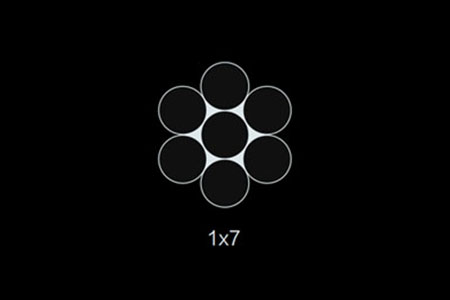
1×7 Stainless Steel Wire Rope Product Introduction Overview: The 1×7 stainless steel wire rope is a high-quality, durable, and versatile wire rope constructed from a single strand of seven individual ...
See Details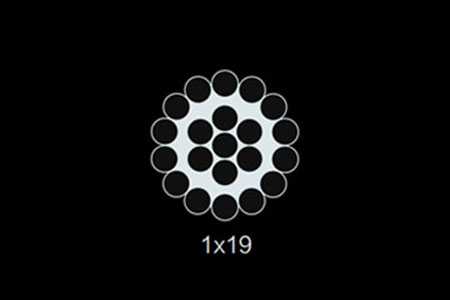
1×19 Stainless Steel Wire Rope Product Introduction Overview: The 1×19 stainless steel wire rope is a robust and high-strength wire rope made from a single strand of 19 individual wires twisted togeth...
See Details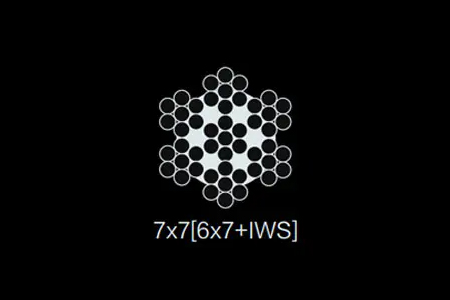
7×7 Stainless Steel Wire Rope Product Introduction Overview: The 7×7 stainless steel wire rope is a versatile, durable, and flexible wire rope made from seven strands, each containing seven individual...
See Details![7X19 [6x19+IWS] Stainless Steel Wire Rope 304/316](/steelwirerope-china/2024/12/20/4.jpg)
7X19 [6x19+IWS] Stainless Steel Wire Rope Product Introduction Overview: The 7X19 [6x19+IWS] stainless steel wire rope is a high-performance wire rope designed for applications that require maximum st...
See Details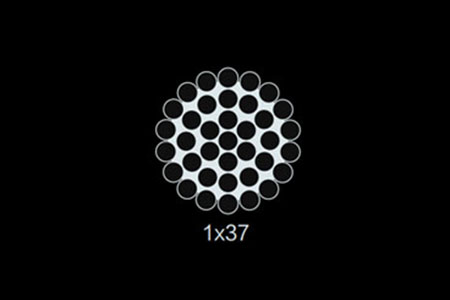
1×37 Stainless Steel Wire Rope Product Introduction Overview: The 1×37 stainless steel wire rope is a high-strength, durable wire rope made from a single strand of 37 individual wires twisted together...
See Details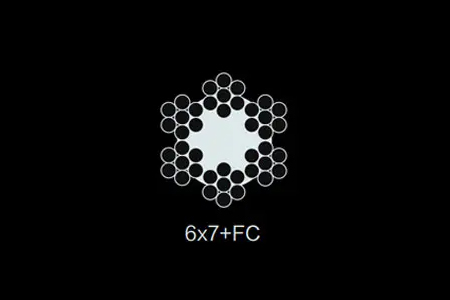
6×7+FC Stainless Steel Wire Rope Product Introduction Overview: The 6×7+FC stainless steel wire rope is a high-quality wire rope designed for applications requiring both strength and flexibility. This...
See Details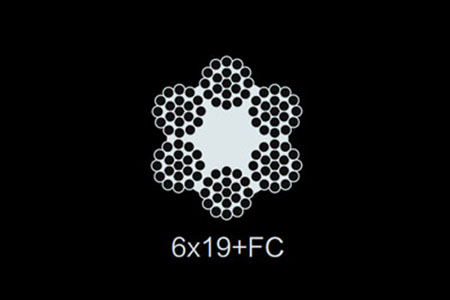
6×19+FC Stainless Steel Wire Rope Product Introduction Overview: The 6×19+FC stainless steel wire rope is a high-performance, versatile rope designed to provide exceptional strength, flexibility, and ...
See Details
19×7 Stainless Steel Wire Rope Product Introduction Overview: The 19×7 stainless steel wire rope is a high-performance wire rope designed for a wide range of applications requiring both strength and f...
See Details




 wechat scan