1×7 Stainless Steel Wire Rope Product Introduction Overview: The 1×7 stainless steel wire rope is a high-quality, durable, and versatile wire rope constructed from a single strand of seven individual ...
See Details

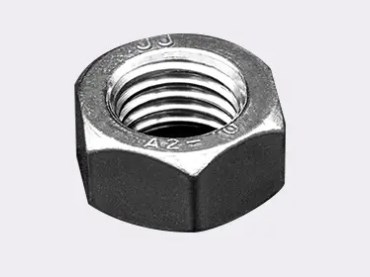
Stainless steel nuts play an irreplaceable role in modern machinery manufacturing, construction engineering, and electronic equipment. As an important component of bolted connection systems, stainless steel nuts not only perform the functions of fixing and bearing loads, but also play a crucial role in safety, corrosion resistance, and long-term stability. With the increasing complexity of industrial application environments, the demand for high-performance stainless steel nuts is showing a continuous growth trend, making it an important segment of the fastener industry.
Material Properties of Stainless Steel Nuts
Stainless steel nuts are typically made of austenitic, ferritic, martensitic, or duplex stainless steel. These materials have different characteristics in chemical composition, microstructure, and mechanical properties. Austenitic stainless steel is widely used in marine, chemical, and food industries due to its excellent corrosion resistance and good toughness. Ferritic stainless steel has excellent resistance to stress corrosion and magnetic properties, making it suitable for specific industrial environments. Martensitic stainless steel has high strength but slightly lower toughness, making it suitable for mechanical structures requiring load-bearing capacity. Duplex stainless steel achieves a balance between strength and corrosion resistance through the combination of austenitic and ferritic components, performing particularly well in seawater and high-temperature environments. Material properties directly affect the lifespan and reliability of nuts in practical applications. Corrosion resistance is a crucial indicator for evaluating the quality of stainless steel nuts; their excellent resistance to oxidation and chemical corrosion ensures long-term use without damage in humid, salt spray, and chemical environments. Meanwhile, mechanical properties such as tensile strength, hardness, and fatigue resistance determine whether the nut can withstand high-intensity loads and frequent disassembly and assembly.
The manufacturing process of stainless steel nuts involves multiple stages, including cold heading, thread rolling, heat treatment, and surface finishing. High-precision manufacturing technology ensures a tight fit of the threads, reducing loosening and stress concentration, thereby improving overall structural stability. Heat treatment technology optimizes the uniformity of nut strength and toughness by controlling the internal microstructure of the material. Surface finishing not only improves the surface finish of the threads but also enhances corrosion resistance and anti-seizing properties.
With the application of automated production technology, nut production efficiency and consistency have significantly improved. Intelligent CNC equipment enables mass production of complex nut specifications while ensuring tolerance accuracy and surface quality. Optimizing production processes not only improves product reliability but also reduces material waste, driving the industry towards green manufacturing.
Applications of Stainless Steel Nuts
Stainless steel nuts are widely used in machinery manufacturing, building structures, transportation, petrochemicals, marine engineering, and electronic equipment. In construction, high-strength stainless steel nuts are used in steel structures and prestressed concrete connectors to ensure the stability of buildings during long-term use. In machinery manufacturing, stainless steel nuts, together with bolts, form fastening systems that withstand high-intensity loads and ensure the reliability of precision equipment operation. In marine environments, the highly corrosion-resistant stainless steel nuts effectively resist salt spray corrosion, extending equipment life. In the electronics and high-end equipment sectors, stainless steel nuts, due to their precision machining and durability, have become the preferred choice for key components.
With the development of new energy, transportation, and intelligent manufacturing, the demand for high-performance stainless steel nuts is becoming increasingly diversified. Nuts require higher adaptability in high-temperature, low-temperature, and highly corrosive environments, driving continuous innovation in material research and development and process improvement.
Design and Performance Optimization of Stainless Steel Nuts
Nut design involves not only dimensions and thread precision but also locking performance, stress distribution, and ease of installation. Optimized design effectively prevents loose connections, thread damage, and fatigue failure. For different application scenarios, parameters such as nut thickness, hexagonal dimensions, and thread type require precise calculation and simulation to ensure structural strength and reliability.
Performance optimization is also reflected in surface treatment and special functional designs. Surface treatments such as electroplating, passivation, or coating can further enhance corrosion resistance and aesthetics. Special functional nuts, such as anti-loosening nuts, locking nuts, and flange nuts, improve connection safety and durability through innovative structural designs, meeting the needs of different industrial scenarios.
As a core component of fastener systems, the quality and performance of stainless steel nuts directly affect the safety and durability of mechanical equipment and building structures. From material selection and manufacturing processes to design optimization, every step determines the reliability of the final product. With the continuous upgrading of industrial environments, the application of high-performance stainless steel nuts in various fields will become more widespread, and their technological innovation and market potential deserve continued attention.
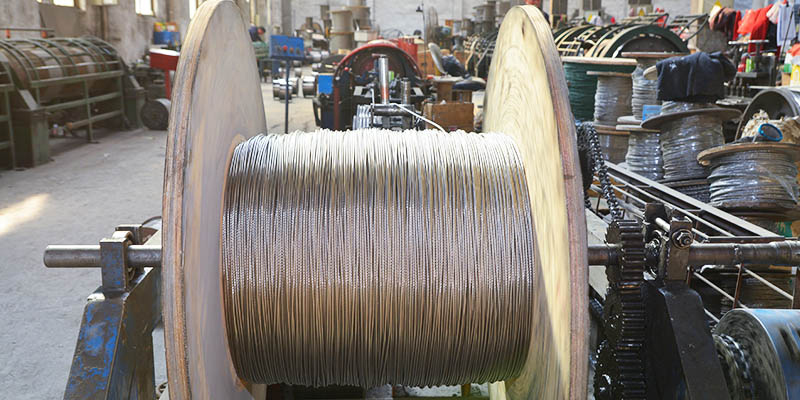

1×7 Stainless Steel Wire Rope Product Introduction Overview: The 1×7 stainless steel wire rope is a high-quality, durable, and versatile wire rope constructed from a single strand of seven individual ...
See Details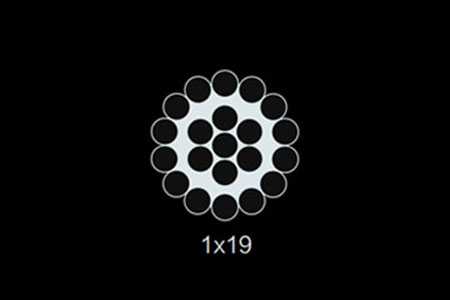
1×19 Stainless Steel Wire Rope Product Introduction Overview: The 1×19 stainless steel wire rope is a robust and high-strength wire rope made from a single strand of 19 individual wires twisted togeth...
See Details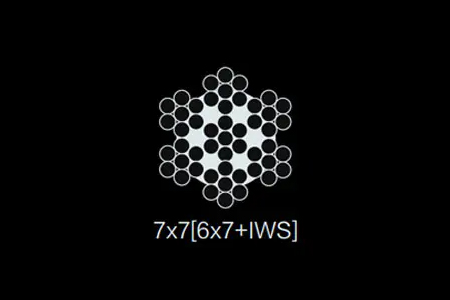
7×7 Stainless Steel Wire Rope Product Introduction Overview: The 7×7 stainless steel wire rope is a versatile, durable, and flexible wire rope made from seven strands, each containing seven individual...
See Details![7X19 [6x19+IWS] Stainless Steel Wire Rope 304/316](/steelwirerope-china/2024/12/20/4.jpg)
7X19 [6x19+IWS] Stainless Steel Wire Rope Product Introduction Overview: The 7X19 [6x19+IWS] stainless steel wire rope is a high-performance wire rope designed for applications that require maximum st...
See Details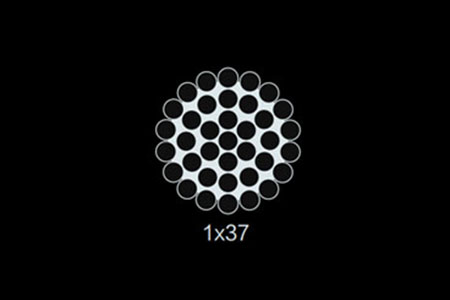
1×37 Stainless Steel Wire Rope Product Introduction Overview: The 1×37 stainless steel wire rope is a high-strength, durable wire rope made from a single strand of 37 individual wires twisted together...
See Details
6×7+FC Stainless Steel Wire Rope Product Introduction Overview: The 6×7+FC stainless steel wire rope is a high-quality wire rope designed for applications requiring both strength and flexibility. This...
See Details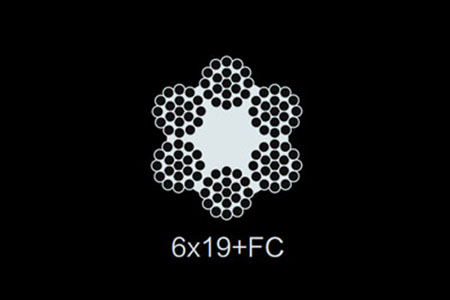
6×19+FC Stainless Steel Wire Rope Product Introduction Overview: The 6×19+FC stainless steel wire rope is a high-performance, versatile rope designed to provide exceptional strength, flexibility, and ...
See Details
19×7 Stainless Steel Wire Rope Product Introduction Overview: The 19×7 stainless steel wire rope is a high-performance wire rope designed for a wide range of applications requiring both strength and f...
See Details




 wechat scan