1×7 Stainless Steel Wire Rope Product Introduction Overview: The 1×7 stainless steel wire rope is a high-quality, durable, and versatile wire rope constructed from a single strand of seven individual ...
See Details

Rigging hardware constitutes the backbone of any lifting and hoisting operation, serving as the critical link between the load and the lifting device. Whether in construction, shipping, manufacturing, or offshore industries, the integrity of these components determines the success and safety of the task at hand. Without high-quality, properly selected hardware, even the most powerful crane becomes a liability. The primary conclusion to draw is that understanding the specific function, load limits, and maintenance requirements of each piece of hardware is not merely a technical detail but a fundamental prerequisite for operational safety. Neglecting the nuances of these components leads to catastrophic failures, project delays, and severe safety hazards. Therefore, prioritizing the correct selection and rigorous inspection of rigging hardware is the single most effective strategy for risk mitigation in heavy lifting.
To build a secure rigging assembly, one must understand the distinct roles played by various hardware types. Each component is engineered to solve specific mechanical challenges, such as connecting, lifting, or tensioning. Using the wrong type of hardware for a specific application is a leading cause of rigging accidents. Below, we explore the most common categories and their specific functions.
Shackles are the workhorses of rigging, used to connect different pieces of lifting gear, such as slings, hooks, and chains. They are versatile but must be chosen carefully. The two most common types are anchor shackles and chain shackles. Anchor shackles, with their wider bow shape, are designed to handle multi-dimensional loads, allowing connections from various angles without significant side-loading stress. In contrast, chain shackles have a narrower design and are strictly intended for straight-line, in-line pulls. Using a chain shackle for a side load is a dangerous misuse that can deform the shackle body and lead to failure. Furthermore, specifications regarding pin types—such as screw pins, bolt-type pins, and round pins—dictate their suitability for permanent versus temporary applications.
Hooks act as the interface between the rigging gear and the load itself. They come in various shapes, including eye hooks, clevis hooks, and sorting hooks. A critical feature in modern rigging hooks is the safety latch, a mechanism designed to prevent the load from accidentally slipping off the hook during movement. However, the latch is not designed to support the weight of the load; it merely retains the sling. Heavy-duty applications often require forged alloy steel hooks that can withstand shock loading. Proper usage requires ensuring that the load sits in the bowl or "saddle" of the hook rather than on the tip, as tip loading significantly reduces the hook’s rated capacity.
The integrity of wire ropes and chains relies heavily on the fittings used to terminate them. Wire rope clips are a common mechanical method for forming an eye or loop on the end of a wire rope. The installation of these clips requires precise torque values and correct orientation—often referred to as the "saddle on the dead rope" rule. Improper installation can lead to a drastic reduction in efficiency. Similarly, chain fittings such as master links and coupling links must match the grade and size of the chain being used. Using mismatched components creates weak points in the rigging assembly.
Blocks are used to change the direction of a pull or to provide mechanical advantage in a rigging system. Snatch blocks are a specific type of block that can be opened to easily insert a wire rope without threading it through. This feature makes them highly valuable for rigging setups where the line must be redirected around obstacles. When using blocks, it is crucial to consider the "fleet angle," which is the angle between the wire rope and the sheave. Excessive fleet angles can cause the rope to wear against the sheave flanges or jump out of the groove, leading to rapid deterioration of both the rope and the block.
The concept of Working Load Limit (WLL) is the cornerstone of safe rigging practices. The WLL is the maximum mass or force that a piece of rigging equipment is designed to support under specific conditions. This figure is determined by the manufacturer based on the material's tensile strength, design factor, and fatigue properties. Exceeding the WLL is strictly prohibited as it pushes the equipment beyond its elastic limit, causing permanent deformation and imminent failure.
However, the WLL is not a static, absolute number in practice; it is influenced by the configuration of the rigging. When a load is shared between multiple legs of a sling, the tension in each leg changes based on the angle of the lift. This is known as the "angle factor." As the angle between the sling leg and the horizontal plane decreases (a flatter lift), the tension in the sling leg increases exponentially. For example, a lift at a 60-degree angle places significantly less stress on the hardware than a lift at a 30-degree angle. Understanding these dynamics is essential for calculating the actual load on each component.
| Sling Angle (Degrees) | Load Factor | Effect on Rigging Hardware |
|---|---|---|
| 90 (Vertical) | 1.000 | Baseline tension; hardware sees the full load weight. |
| 60 | 1.155 | Moderate increase in tension; standard configuration. |
| 45 | 1.414 | High tension; hardware capacity is effectively reduced. |
| 30 | 2.000 | Critical tension; hardware sees double the load weight. |
Choosing rigging hardware requires more than just matching capacity to load weight; the operating environment plays a decisive role in material selection. Environmental factors such as temperature, corrosion, and chemical exposure can degrade hardware performance rapidly if the wrong materials are selected. A comprehensive selection strategy accounts for these external variables to ensure longevity and safety.
In marine settings or environments with high humidity and salt spray, standard carbon steel hardware is prone to rapid rusting. This corrosion can compromise the structural integrity of shackles and hooks by pitting the surface, which acts as a stress concentrator. For these applications, stainless steel rigging hardware or galvanized steel is mandatory. Galvanization provides a protective zinc coating that sacrifices itself to protect the underlying steel. However, in highly acidic or alkaline environments, stainless steel (specifically grades like 316) offers superior resistance to chemical attack compared to galvanized options.
Temperature has a profound effect on the metallurgy of rigging hardware. Standard alloy steel components generally perform well within a standard temperature range, but extreme cold can make steel brittle, leading to brittle fracture under impact loads. This is particularly relevant for operations in arctic conditions or cold storage facilities. Conversely, high-temperature environments, such as foundries or steel mills, require heat-resistant hardware. Standard hardware can lose a significant percentage of its strength when exposed to temperatures above certain thresholds. In such cases, equipment specifically rated for elevated temperatures must be used to prevent yield failure.
Rigging hardware is subject to wear, fatigue, and damage throughout its service life. A robust inspection protocol is the only defense against equipment failure due to degradation. Regulations typically mandate that rigging hardware be inspected by a competent person before each use and undergo a thorough periodic inspection at least annually, or more frequently based on usage intensity.
There are clear, non-negotiable signs that indicate a piece of hardware must be immediately removed from service. These criteria are based on observable defects that compromise the component's structural integrity. Relying on guesswork or "getting one more lift" out of damaged equipment is unacceptable. Inspectors must look for the following critical faults:
Proper maintenance goes hand-in-hand with documentation. Every piece of critical rigging hardware should have a dedicated record that tracks its inspection history, repairs, and usage conditions. This documentation serves as a legal safeguard and an operational tool. It allows the safety team to identify trends, such as specific components that wear out faster than expected, which might indicate improper usage or environmental factors. Effective documentation transforms maintenance from a reactive measure into a proactive safety strategy.
Despite established standards, misconceptions about rigging hardware persist, leading to dangerous practices. Identifying and correcting these errors is vital for maintaining a safe work site. Often, these errors stem from a lack of training or a misunderstanding of the physics involved in rigging.
A frequent error involves the point loading of shackles. This occurs when a sling or hook is connected to a shackle in a way that concentrates the load on a single point of the shackle bow, rather than distributing it across the saddle. Point loading drastically reduces the WLL and can damage the shackle body. Shackles are designed for the load to be seated fully against the pin or the bow curve.
The pin of a shackle is a precision component. A common mistake is over-tightening the pin using extension bars, which can stretch the pin threads and deform the shackle ears. Conversely, leaving the pin too loose can cause it to back out during vibration or dynamic lifting. The correct procedure involves tightening the pin by hand until it seats firmly, and then backing it off slightly if necessary to align the cotter pin hole (for bolt-type shackles), ensuring the pin remains secure but not stressed.
Many rigging failures are not caused by static weight but by dynamic forces. Shock loading—when a load is suddenly dropped or jerked—can generate forces many times greater than the static weight of the load. Standard rigging hardware is rated for static loads and specific dynamic factors, but uncontrolled shock loading can instantly exceed the breaking strength of the hardware. Operators must move loads smoothly and avoid sudden stops or starts to protect the rigging assembly.
Ultimately, the safety and efficiency of rigging operations depend on the people performing the work. High-quality hardware is useless in the hands of an untrained operator. Comprehensive training programs should cover the identification of hardware, the calculation of load capacities, the recognition of hazards, and the proper use of slings and accessories. Competency goes beyond basic knowledge; it requires the ability to assess unique situations and make informed safety decisions. Regular toolbox talks and refresher courses ensure that rigging personnel stay updated on the latest standards and best practices, fostering a culture of safety that permeates every level of the operation.
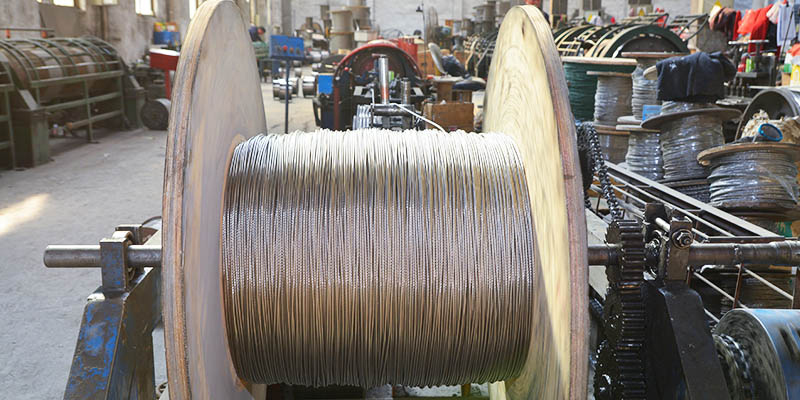

1×7 Stainless Steel Wire Rope Product Introduction Overview: The 1×7 stainless steel wire rope is a high-quality, durable, and versatile wire rope constructed from a single strand of seven individual ...
See Details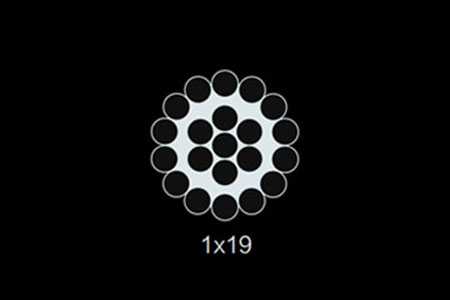
1×19 Stainless Steel Wire Rope Product Introduction Overview: The 1×19 stainless steel wire rope is a robust and high-strength wire rope made from a single strand of 19 individual wires twisted togeth...
See Details
7×7 Stainless Steel Wire Rope Product Introduction Overview: The 7×7 stainless steel wire rope is a versatile, durable, and flexible wire rope made from seven strands, each containing seven individual...
See Details![7X19 [6x19+IWS] Stainless Steel Wire Rope 304/316](/steelwirerope-china/2024/12/20/4.jpg)
7X19 [6x19+IWS] Stainless Steel Wire Rope Product Introduction Overview: The 7X19 [6x19+IWS] stainless steel wire rope is a high-performance wire rope designed for applications that require maximum st...
See Details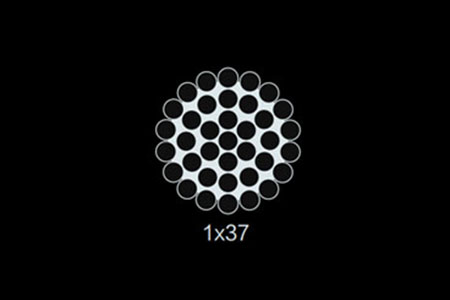
1×37 Stainless Steel Wire Rope Product Introduction Overview: The 1×37 stainless steel wire rope is a high-strength, durable wire rope made from a single strand of 37 individual wires twisted together...
See Details
6×7+FC Stainless Steel Wire Rope Product Introduction Overview: The 6×7+FC stainless steel wire rope is a high-quality wire rope designed for applications requiring both strength and flexibility. This...
See Details
6×19+FC Stainless Steel Wire Rope Product Introduction Overview: The 6×19+FC stainless steel wire rope is a high-performance, versatile rope designed to provide exceptional strength, flexibility, and ...
See Details
19×7 Stainless Steel Wire Rope Product Introduction Overview: The 19×7 stainless steel wire rope is a high-performance wire rope designed for a wide range of applications requiring both strength and f...
See Details




 wechat scan