1×7 Stainless Steel Wire Rope Product Introduction Overview: The 1×7 stainless steel wire rope is a high-quality, durable, and versatile wire rope constructed from a single strand of seven individual ...
See Details

When it comes to structural integrity and long-term reliability, stainless steel bolts and nuts are the most cost-effective fastening solution for environments prone to moisture, chemicals, and temperature fluctuations. Unlike carbon steel fasteners that rely on external coatings for protection, stainless steel provides inherent, permanent corrosion resistance. Even if the surface is scratched or damaged, the material continues to resist rust. For any project where longevity, safety, and minimal maintenance are priorities, selecting the appropriate grade of stainless steel fasteners is not just an option, but a fundamental engineering requirement.
The exceptional performance of stainless steel bolts and nuts stems from their unique metallurgical composition. The primary component that sets this material apart is chromium. When the chromium content reaches a certain threshold, it reacts with oxygen in the environment to form a thin, invisible, and tenacious layer of chromium oxide on the surface of the fastener.
This passive layer is self-healing. If the fastener is mechanically damaged or scratched, the exposed chromium reacts with oxygen again to instantly reform the protective barrier. This characteristic ensures that the fastener remains impervious to rust as long as oxygen is present, even in highly humid conditions. Furthermore, the addition of other alloying elements enhances specific properties:
Not all stainless steel is created equal. Selecting the wrong grade can lead to premature failure, while over-specifying can unnecessarily inflate project costs. Understanding the mechanical and chemical differences between grades is essential for practical application.
Austenitic grades are the most widely used for fasteners due to their excellent corrosion resistance and non-magnetic properties. They cannot be hardened by heat treatment but can be significantly strengthened through cold working.
Martensitic grades are characterized by their high strength and hardness, achieved through heat treatment. However, they have lower corrosion resistance compared to austenitic steels and are generally used in mildly corrosive environments where high tensile strength is the primary requirement.
| Grade Series | Key Characteristics | Typical Corrosion Resistance | Magnetic Property |
|---|---|---|---|
| 304 Series | Excellent ductility, general-purpose | Good against atmospheric and freshwater corrosion | Non-magnetic |
| 316 Series | Added molybdenum for chloride resistance | Superior resistance to pitting in marine environments | Non-magnetic |
| 410 Series | Heat-treatable for high strength | Moderate, suitable for mild environments | Magnetic |
While corrosion resistance is the primary reason for choosing stainless steel bolts and nuts, their mechanical properties are equally important for structural design. Fasteners must withstand shear loads, tensile loads, and vibration without failing.
It is a common misconception that stainless steel is weaker than carbon steel. While standard austenitic stainless steel bolts in their annealed state may have lower yield strength than high-grade carbon steel alloy bolts, they still possess excellent load-bearing capabilities. For example, cold-worked stainless steel bolts can achieve tensile strengths that meet or exceed many medium-carbon steel grades. Furthermore, stainless steel maintains its toughness at both extremely high and cryogenic temperatures, a property that many carbon steels cannot match.
Another critical mechanical advantage is the anti-galling property, or rather, the management of it. Stainless steel has a tendency to gall, which is a form of severe adhesive wear where the surfaces of the bolt and nut friction-weld together during tightening. To prevent this, specialized thread designs, lubrication, or varying hardness levels between the bolt and nut are employed to ensure smooth assembly and disassembly.
The unique properties of stainless steel bolts and nuts make them indispensable across a wide range of industries where failure is not an option. Their application goes far beyond simply holding two pieces of metal together; they are the linchpins of structural safety in harsh environments.
In marine environments, structures are constantly bombarded by saltwater spray, which is highly corrosive due to its chloride content. Grade 316 stainless steel is the standard here, as its molybdenum content specifically combits chloride-induced pitting. From shipbuilding to offshore oil rigs, these fasteners secure critical infrastructure that must survive decades of relentless saltwater exposure without weakening.
Chemical plants utilize vast networks of pipes and reactors carrying highly acidic or alkaline fluids. Fasteners used in these flanges and pressure vessels must resist chemical attack at elevated temperatures. High-alloy austenitic stainless steels are frequently specified to prevent leaks that could lead to catastrophic environmental damage or personnel hazards.
In modern architecture, stainless steel bolts are often used not just for their structural integrity but for their aesthetic longevity. External facades, curtain walls, and handrails exposed to urban pollution and acid rain rely on these fasteners to prevent rust staining on the surrounding building materials. Once installed, the maintenance cost of accessing and replacing these fasteners high up on a skyscraper makes the initial investment in premium stainless steel highly economical.
Hygiene is paramount in these sectors. Stainless steel fasteners do not corrode, meaning they do not harbor bacteria or shed rust particles into the production line. They can withstand aggressive cleaning agents and high-temperature steam sterilization processes without degrading, ensuring compliance with stringent health and safety regulations.
Even the highest quality stainless steel bolts and nuts can fail if installed incorrectly. Proper handling and installation techniques are essential to preserve the integrity of the passive layer and ensure a secure, long-lasting joint.
Understanding why stainless steel fasteners fail is just as important as knowing how to use them properly. Most failures are not due to material defects, but rather to environmental mismatching or poor installation practices.
One major cause of failure is chloride stress corrosion cracking. This occurs when austenitic stainless steel is subjected to tensile stress and exposed to chlorides at elevated temperatures. The cracks propagate rapidly through the material, leading to sudden and catastrophic failure without significant visual warning. Selecting a grade with higher nickel and molybdenum content is the primary defense against this phenomenon.
Galvanic corrosion is another frequent issue. When two dissimilar metals are in electrical contact in the presence of an electrolyte (like rainwater), the more active metal corrodes preferentially. If a stainless steel bolt is used to join aluminum plates, the aluminum will act as the anode and corrode rapidly. Insulating washers or sleeves must be used to break the electrical circuit between dissimilar metals.
Finally, mechanical damage during installation can compromise the protective layer. Cross-threading a bolt not only damages the threads but can also generate intense localized heat through friction, degrading the passive layer and creating a starting point for corrosion. Always ensure that bolts are started straight and turned smoothly by hand before applying a wrench.
Choosing stainless steel bolts and nuts is not only an engineering decision but also an environmentally responsible one. The long service life of stainless steel means that structures require fewer replacements over their lifetime, reducing the demand for raw material extraction and manufacturing energy.
Furthermore, stainless steel is fully recyclable. At the end of a structure's life, the fasteners can be recovered and melted down to create new stainless steel products without any degradation in quality. The high scrap value of stainless steel also incentivizes recycling, ensuring that the material rarely ends up in landfills. This closed-loop lifecycle makes stainless steel fasteners a sustainable choice for modern green building initiatives and eco-conscious manufacturing.
From an economic standpoint, the initial purchase price of stainless steel fasteners is higher than that of coated carbon steel. However, a life-cycle cost analysis almost always favors stainless steel. The elimination of routine maintenance, the avoidance of costly structural repairs caused by rusting fasteners, and the extended intervals between component replacements result in significantly lower total ownership costs over the operational life of the project.
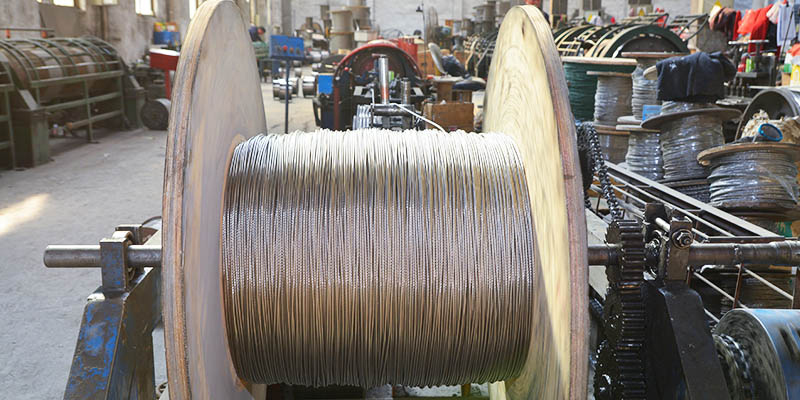
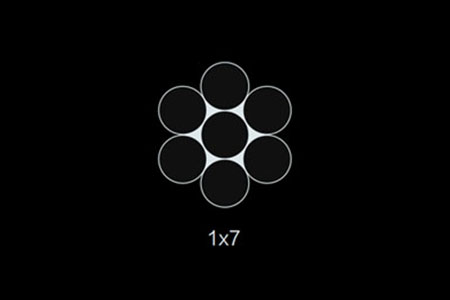
1×7 Stainless Steel Wire Rope Product Introduction Overview: The 1×7 stainless steel wire rope is a high-quality, durable, and versatile wire rope constructed from a single strand of seven individual ...
See Details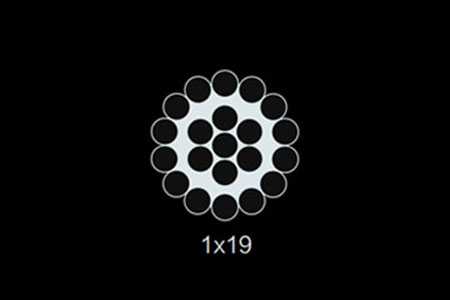
1×19 Stainless Steel Wire Rope Product Introduction Overview: The 1×19 stainless steel wire rope is a robust and high-strength wire rope made from a single strand of 19 individual wires twisted togeth...
See Details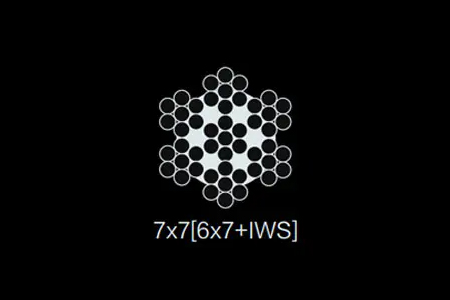
7×7 Stainless Steel Wire Rope Product Introduction Overview: The 7×7 stainless steel wire rope is a versatile, durable, and flexible wire rope made from seven strands, each containing seven individual...
See Details![7X19 [6x19+IWS] Stainless Steel Wire Rope 304/316](/steelwirerope-china/2024/12/20/4.jpg)
7X19 [6x19+IWS] Stainless Steel Wire Rope Product Introduction Overview: The 7X19 [6x19+IWS] stainless steel wire rope is a high-performance wire rope designed for applications that require maximum st...
See Details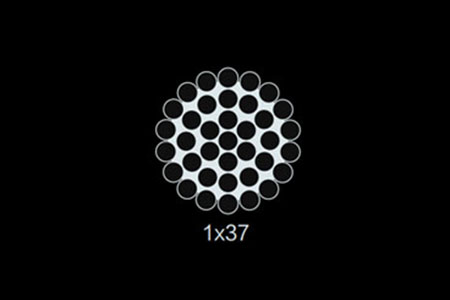
1×37 Stainless Steel Wire Rope Product Introduction Overview: The 1×37 stainless steel wire rope is a high-strength, durable wire rope made from a single strand of 37 individual wires twisted together...
See Details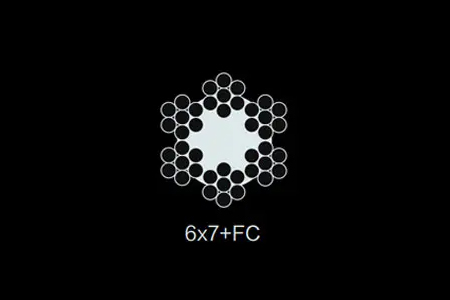
6×7+FC Stainless Steel Wire Rope Product Introduction Overview: The 6×7+FC stainless steel wire rope is a high-quality wire rope designed for applications requiring both strength and flexibility. This...
See Details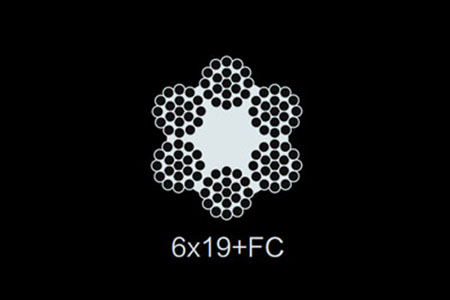
6×19+FC Stainless Steel Wire Rope Product Introduction Overview: The 6×19+FC stainless steel wire rope is a high-performance, versatile rope designed to provide exceptional strength, flexibility, and ...
See Details
19×7 Stainless Steel Wire Rope Product Introduction Overview: The 19×7 stainless steel wire rope is a high-performance wire rope designed for a wide range of applications requiring both strength and f...
See Details




 wechat scan