1×7 Stainless Steel Wire Rope Product Introduction Overview: The 1×7 stainless steel wire rope is a high-quality, durable, and versatile wire rope constructed from a single strand of seven individual ...
See Details

China steel wire rope is recognized globally for its exceptional combination of high tensile strength, durability, and cost-effectiveness, making it an indispensable component in heavy lifting, construction, and maritime industries. When selecting the appropriate wire rope, buyers must prioritize the specific structure, material composition, and required load-bearing capacity to ensure operational safety and efficiency. The versatility of these ropes allows them to perform reliably in the most rigorous environments, providing the foundational support required for modern infrastructure and logistics.
The primary appeal of China steel wire rope lies in its engineered capacity to withstand immense physical stress. These ropes are constructed by twisting multiple strands of high-carbon steel wire around a central core. This configuration provides a unique balance between flexibility and structural rigidity. The ability to consistently bear heavy loads under dynamic stress makes them suitable for continuous industrial operations where lesser materials would rapidly degrade.
Beyond sheer strength, these ropes are engineered to resist various forms of environmental and mechanical degradation. Many variants undergo galvanization, a process where a protective zinc coating is applied to the steel. This coating acts as a sacrificial barrier, significantly delaying the onset of rust and corrosion. Furthermore, the internal core, which can be made of natural or synthetic fiber, or an independent wire rope core (IWRC), dictates the rope's shock absorption capabilities and its resistance to crushing under heavy loads.
Steel wire ropes are not a one-size-fits-all solution. The specific arrangement of wires and strands dictates the rope's behavior and ideal use case. Manufacturers offer various lay types and strand configurations to meet precise industrial demands, ensuring that each application utilizes the most efficient design.
In the construction sector, tower cranes and elevators rely heavily on wire ropes designed for minimal rotation and maximum structural stability. Ropes with a Lang lay construction are frequently utilized here because their outer wires are laid in the same direction as the strands, offering superior wear resistance against drum friction. This makes them ideal for moving heavy concrete slabs and steel beams across massive construction sites, where reliability directly impacts project timelines and safety.
The marine environment is notoriously harsh, requiring materials that can endure constant exposure to saltwater and shifting loads. Mooring lines, towing cables, and ship-to-shore crane ropes must exhibit exceptional corrosion resistance. Galvanized or stainless steel options are predominantly used in these scenarios. The ropes used in deep-sea lifting operations are typically designed with specialized plastics impregnated between the strands to prevent internal corrosion and reduce friction-induced wear.
Choosing the correct wire rope requires a thorough understanding of the operational environment and mechanical requirements. Selecting the wrong type can lead to premature failure, equipment damage, and severe safety hazards. Below is a breakdown of essential features and their corresponding applications to guide the selection process and optimize operational efficiency.
| Feature Type | Primary Benefit | Recommended Application |
|---|---|---|
| Galvanized Coating | Corrosion resistance | Marine, outdoor structures |
| Independent Wire Rope Core (IWRC) | High crush resistance | Heavy lifting, multi-layer spooling |
| Rotation-Resistant Design | Prevents load spinning | Tower cranes, vertical hoisting |
| Fiber Core | Superior flexibility | Small diameter sheaves, running rigging |
By aligning the physical properties of the rope with the specific demands of the task, operators can drastically reduce downtime and maintenance costs. Matching the breaking strength to an adequate safety factor above the expected working load is a standard industry practice to ensure a wide margin of safety and prolong the service life of the equipment.
The reliability of China steel wire rope is heavily dependent on stringent manufacturing protocols. Reputable production facilities adhere to international quality management systems, ensuring that every batch of wire meets exacting specifications for tensile strength and ductility. The manufacturing process involves several critical stages, from wire drawing and patenting to stranding and closing, each requiring precise control to guarantee structural integrity.
Quality assurance involves both destructive and non-destructive testing. Destructive tests determine the actual breaking force of the rope, while non-destructive magnetic testing is used to detect internal broken wires or localized corrosion that are invisible to the naked eye. This rigorous testing regime guarantees that the final product performs reliably under extreme stress, maintaining the safety standards expected in global industries.
Even the highest quality steel wire rope requires diligent maintenance to achieve its maximum service life. Implementing a proactive maintenance schedule is the most effective way to prevent unexpected failures, protect personnel, and optimize the return on investment for industrial equipment.
Regular maintenance can extend the functional lifespan of a wire rope by a significant margin, providing substantial long-term economic benefits and ensuring a safer working environment for all personnel involved in the operation.
The steel wire rope industry continues to evolve, driven by the demand for lighter, stronger, and more sustainable materials. Advancements in metallurgy are leading to the development of ultra-high-tensile steel wires that offer the same strength as traditional ropes but with a reduced diameter and weight. This translates to higher lifting capacities and lower energy consumption for cranes and hoists, ultimately improving the overall efficiency of industrial operations.
Additionally, there is a growing integration of smart technologies. Modern wire ropes are beginning to feature embedded sensors that monitor structural health in real-time, sending data regarding tension, temperature, and internal wire breakage to centralized control systems. This shift toward predictive maintenance represents a significant leap forward in industrial safety and operational efficiency, ensuring that potential issues are addressed before they lead to critical failures.
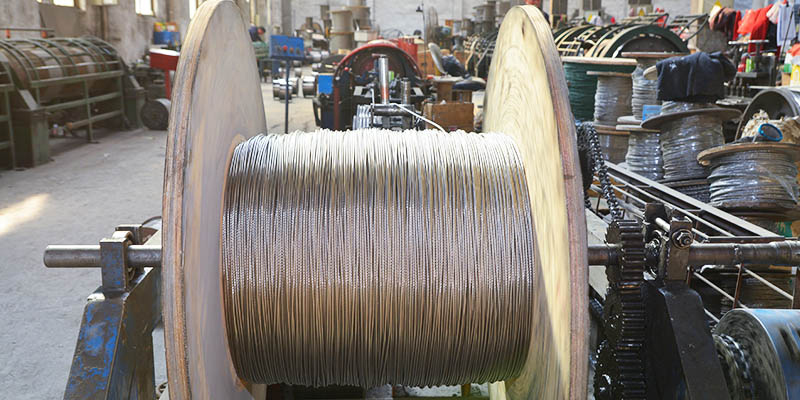

1×7 Stainless Steel Wire Rope Product Introduction Overview: The 1×7 stainless steel wire rope is a high-quality, durable, and versatile wire rope constructed from a single strand of seven individual ...
See Details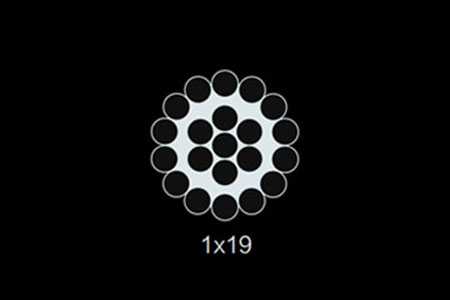
1×19 Stainless Steel Wire Rope Product Introduction Overview: The 1×19 stainless steel wire rope is a robust and high-strength wire rope made from a single strand of 19 individual wires twisted togeth...
See Details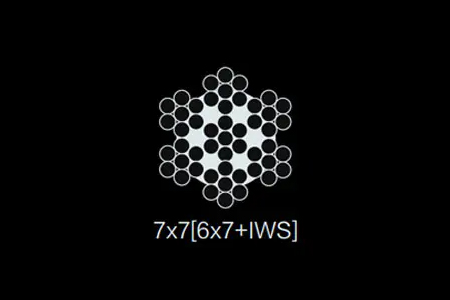
7×7 Stainless Steel Wire Rope Product Introduction Overview: The 7×7 stainless steel wire rope is a versatile, durable, and flexible wire rope made from seven strands, each containing seven individual...
See Details![7X19 [6x19+IWS] Stainless Steel Wire Rope 304/316](/steelwirerope-china/2024/12/20/4.jpg)
7X19 [6x19+IWS] Stainless Steel Wire Rope Product Introduction Overview: The 7X19 [6x19+IWS] stainless steel wire rope is a high-performance wire rope designed for applications that require maximum st...
See Details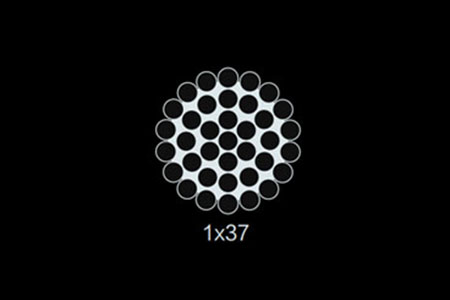
1×37 Stainless Steel Wire Rope Product Introduction Overview: The 1×37 stainless steel wire rope is a high-strength, durable wire rope made from a single strand of 37 individual wires twisted together...
See Details
6×7+FC Stainless Steel Wire Rope Product Introduction Overview: The 6×7+FC stainless steel wire rope is a high-quality wire rope designed for applications requiring both strength and flexibility. This...
See Details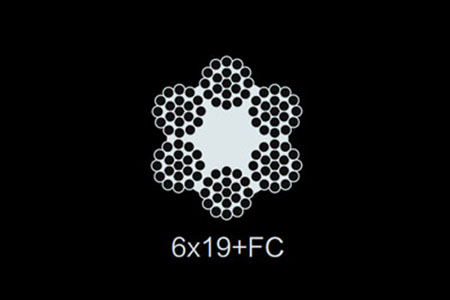
6×19+FC Stainless Steel Wire Rope Product Introduction Overview: The 6×19+FC stainless steel wire rope is a high-performance, versatile rope designed to provide exceptional strength, flexibility, and ...
See Details
19×7 Stainless Steel Wire Rope Product Introduction Overview: The 19×7 stainless steel wire rope is a high-performance wire rope designed for a wide range of applications requiring both strength and f...
See Details




 wechat scan