1×7 Stainless Steel Wire Rope Product Introduction Overview: The 1×7 stainless steel wire rope is a high-quality, durable, and versatile wire rope constructed from a single strand of seven individual ...
See Details

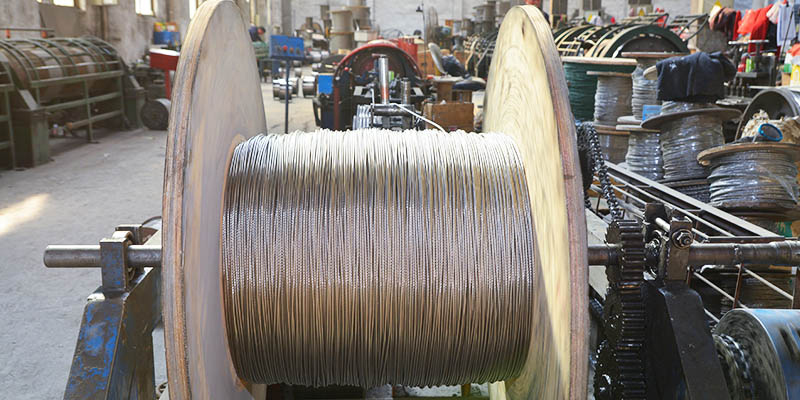
China steel wire rope represents a pinnacle of industrial manufacturing capability, offering a high-strength, reliable, and cost-effective solution for global heavy industries. Far from being merely a commodity, modern steel wire rope produced in China adheres to rigorous international standards, demonstrating exceptional durability in environments ranging from deep-sea mining to skyscraper construction. The conclusion is clear: for engineering projects that demand a balance of tensile strength, fatigue resistance, and economic efficiency, this material is not just a viable option but often the preferred choice.
The reputation of these products has been built upon decades of metallurgical advancement. Manufacturers have refined the drawing and stranding processes to ensure that every filament meets precise tensile specifications. This commitment to quality control ensures that the wire rope can withstand dynamic loads and harsh environmental conditions without compromising safety. Consequently, industries worldwide rely on these products to maintain operational continuity and uphold safety standards.
The fundamental reliability of steel wire rope lies in its raw materials. The manufacturing process begins with high-quality carbon steel rods, which are subjected to a series of cold-drawing operations. This process aligns the crystalline structure of the steel, significantly enhancing its tensile strength. The resulting wires are then tested for ductility and toughness, ensuring they can absorb shock loads without snapping.
A critical aspect of wire rope design is the core, which provides support and maintains the round shape of the rope under pressure. There are generally two types of cores used in production:
The process of transforming individual steel wires into a robust rope involves intricate stranding machines. The configuration of these strands determines the rope's performance characteristics. The most common construction involves multiple strands laid helically around a core.
Manufacturers offer various lay types to suit different operational needs. The "Regular Lay" is standard, where wires in the strands are laid in the opposite direction to the strands themselves. This offers stability and less tendency to untwist. Conversely, "Lang Lay" wires are laid in the same direction as the strands, offering a higher wear surface and greater flexibility but with a tendency to rotate.
| Stranding Pattern | Key Characteristic | Best Use Case |
|---|---|---|
| 6x19 Seale | Outer wires are large, providing wear resistance | General hauling, hoisting |
| 6x37 Filler | Inner fillers increase flexibility | Crane operations, shipping |
| 19x7 Non-Rotating | Multi-layer strands resist rotation | Single point lifting, tower cranes |
Operating environments are rarely pristine. Exposure to moisture, chemicals, and saltwater necessitates advanced surface treatments. The industry provides primarily three classes of surface protection to ensure longevity:
This is the standard finish for dry, indoor environments. While it possesses high tensile strength, it requires diligent lubrication to prevent rust.
The zinc coating provides a sacrificial barrier against corrosion. This is the most common choice for outdoor, marine, and industrial applications where moisture is prevalent.
For extreme corrosive environments, such as chemical plants or saltwater applications, stainless steel grades (like T302 or T304) offer superior protection without additional coating.
The versatility of steel wire rope allows it to function as a critical component in various sectors. Its ability to support massive weights while maintaining flexibility makes it irreplaceable.
Ensuring the integrity of steel wire rope involves a battery of tests before the product leaves the factory. Non-destructive testing (NDT) methods are frequently employed to detect internal flaws that are not visible to the naked eye. Magnetic flux leakage testing can identify broken wires or corrosion pits deep within the rope strands.
Furthermore, manufacturers perform tensile tests on sample lengths to verify the breaking load. This data is crucial for engineers when selecting the appropriate rope diameter for a specific load. The consistency of the manufacturing process means that these ropes reliably meet or exceed the minimum breaking force specified by international standards such as ISO or ASTM.
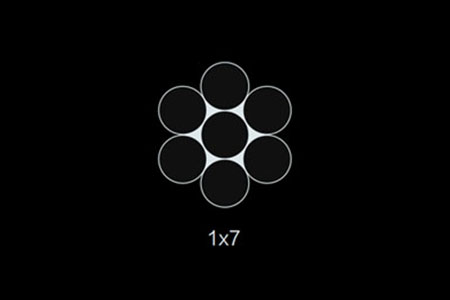
1×7 Stainless Steel Wire Rope Product Introduction Overview: The 1×7 stainless steel wire rope is a high-quality, durable, and versatile wire rope constructed from a single strand of seven individual ...
See Details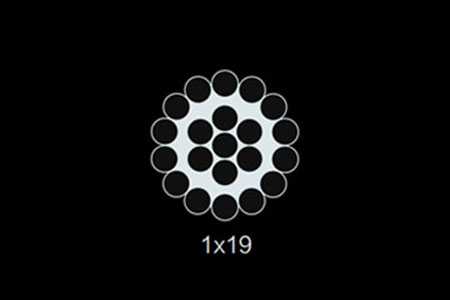
1×19 Stainless Steel Wire Rope Product Introduction Overview: The 1×19 stainless steel wire rope is a robust and high-strength wire rope made from a single strand of 19 individual wires twisted togeth...
See Details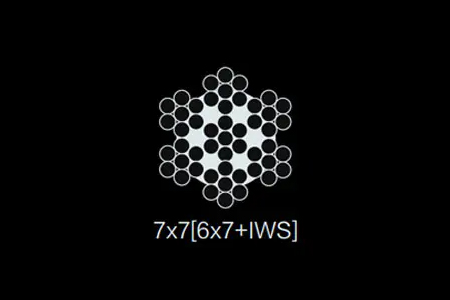
7×7 Stainless Steel Wire Rope Product Introduction Overview: The 7×7 stainless steel wire rope is a versatile, durable, and flexible wire rope made from seven strands, each containing seven individual...
See Details![7X19 [6x19+IWS] Stainless Steel Wire Rope 304/316](/steelwirerope-china/2024/12/20/4.jpg)
7X19 [6x19+IWS] Stainless Steel Wire Rope Product Introduction Overview: The 7X19 [6x19+IWS] stainless steel wire rope is a high-performance wire rope designed for applications that require maximum st...
See Details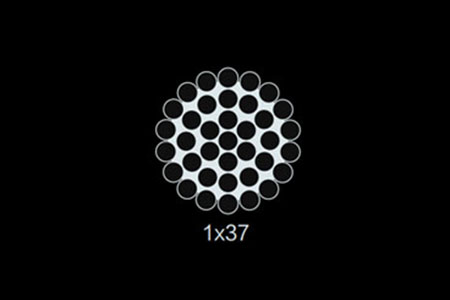
1×37 Stainless Steel Wire Rope Product Introduction Overview: The 1×37 stainless steel wire rope is a high-strength, durable wire rope made from a single strand of 37 individual wires twisted together...
See Details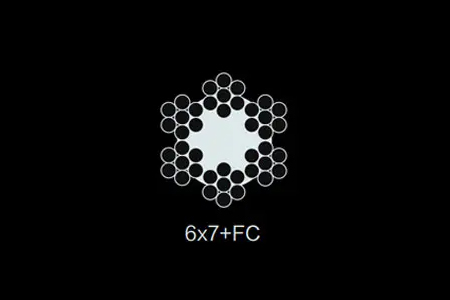
6×7+FC Stainless Steel Wire Rope Product Introduction Overview: The 6×7+FC stainless steel wire rope is a high-quality wire rope designed for applications requiring both strength and flexibility. This...
See Details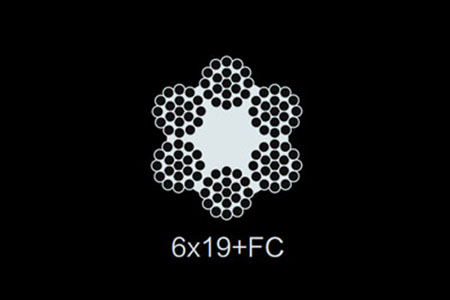
6×19+FC Stainless Steel Wire Rope Product Introduction Overview: The 6×19+FC stainless steel wire rope is a high-performance, versatile rope designed to provide exceptional strength, flexibility, and ...
See Details
19×7 Stainless Steel Wire Rope Product Introduction Overview: The 19×7 stainless steel wire rope is a high-performance wire rope designed for a wide range of applications requiring both strength and f...
See Details




 wechat scan