

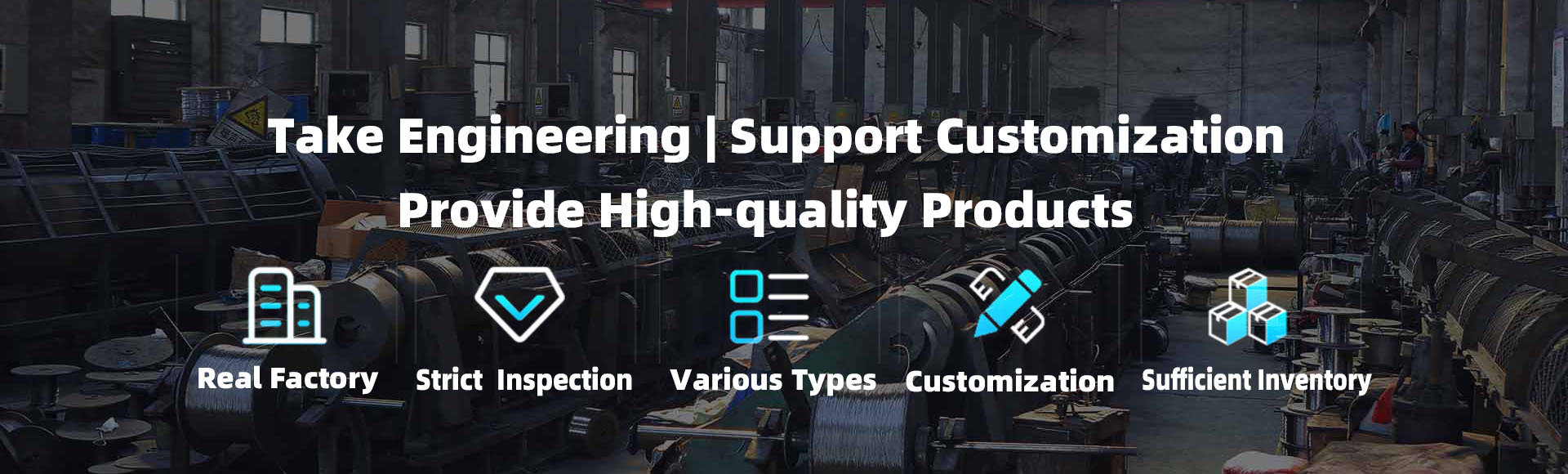
The Strategic Advantage of Sourcing from China
When evaluating the global landscape of industrial hardware, the conclusion is clear: sourcing steel cables from a Chinese factory offers an unmatched combination of production scale, product diversity, and cost efficiency. China has evolved beyond simple manufacturing to become a sophisticated hub for wire rope technology, capable of meeting rigorous international standards. For global buyers, the primary advantage lies not just in competitive pricing, but in the ability to handle large-scale orders with customizable specifications that many other regions struggle to match. By partnering directly with manufacturing facilities, businesses can significantly reduce supply chain risks and ensure a steady supply of critical lifting and rigging components.
The Mature Manufacturing Ecosystem
The strength of the Chinese steel cable industry rests on a mature industrial ecosystem. Unlike isolated factories in other regions, Chinese manufacturers benefit from clustered supply chains. Raw material suppliers, drawing machine operators, and testing laboratories are often located within close proximity, creating a streamlined workflow from raw steel to finished product. This geographical concentration reduces logistical costs and lead times.
Furthermore, the workforce in this sector is highly experienced. Many technicians and engineers have decades of specialized expertise in wire rope weaving and stranding technologies. This depth of knowledge allows factories to innovate rapidly, adapting to new market trends such as lightweight high-performance cables or corrosion-resistant coatings for marine environments.
Raw Material Integration
Direct access to major steel billet producers allows factories to control the chemical composition of the wire, ensuring consistent tensile strength from the core outward.
Advanced Machinery
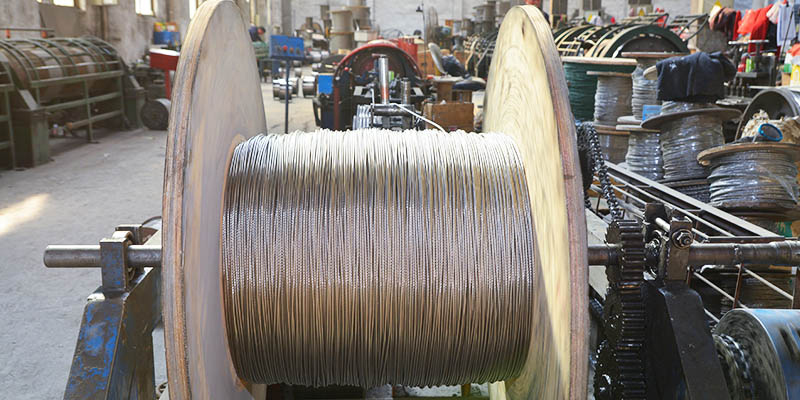
The adoption of automated closing machines and computer-controlled tension systems has minimized human error, resulting in cables with perfect geometry and structural balance.
Comprehensive Product Range and Applications
A key reason buyers turn to China is the sheer breadth of the product catalog. Whether the requirement is for heavy-duty mining ropes or delicate architectural wire ropes, Chinese factories offer an extensive array of configurations. This versatility is crucial for buyers who need to source multiple types of rigging hardware from a single supplier to streamline their procurement process.
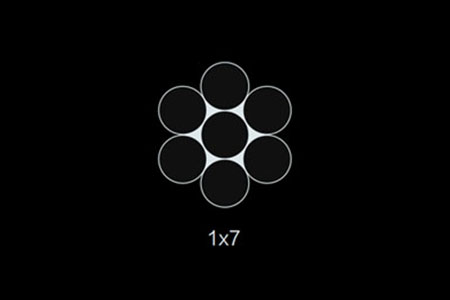
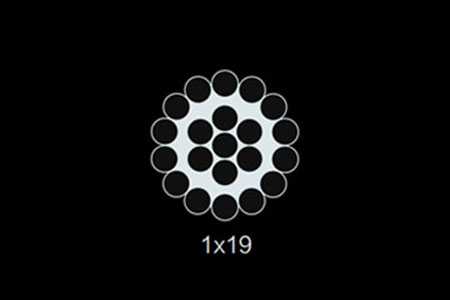
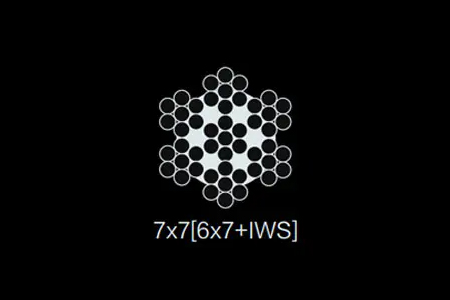
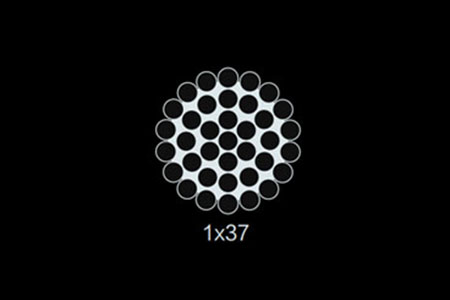
The manufacturing capabilities cover various constructions, including but not limited to standard strands, multi-strand non-rotating ropes, and compacted strands. Surface treatments are equally diverse, ranging from bright (uncoated) finishes for indoor use to hot-dipped galvanization for outdoor durability.
| Cable Type | Core Material | Primary Application |
|---|---|---|
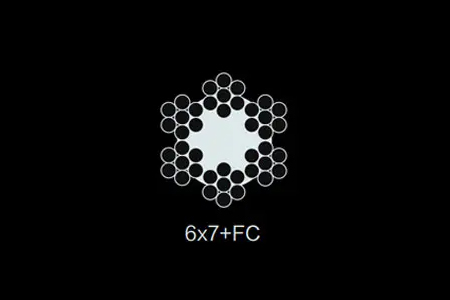
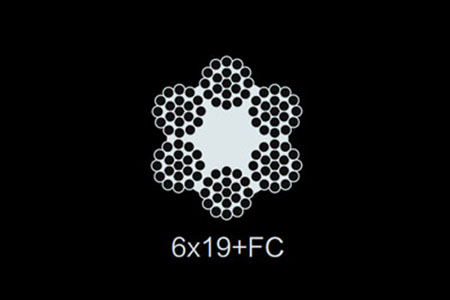
| 6x19 Class | Steel Core / Fiber Core | General Purpose, Crane Hoisting |
| 6x37 Class | Steel Core (IWRC) | Electric Tower Cranes, Oil Drilling |
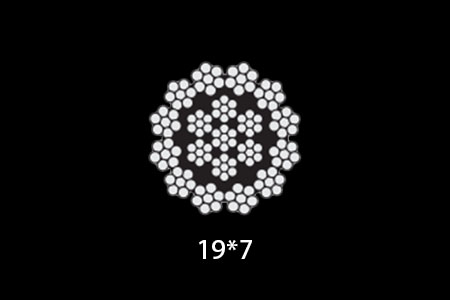
| 7x19 Class | Stainless Steel | Marine Rigging, Architectural Usage |
| Compacted Strand | Steel Core | Heavy Load Logging, Mining |
Rigorous Quality Control Protocols
One of the most persistent myths about manufacturing is the trade-off between price and quality. However, leading factories in China have dismantled this notion by investing heavily in quality assurance infrastructure. A modern steel cable facility does not merely rely on visual inspection; it employs a series of destructive and non-destructive testing methods to ensure safety.
Safety is paramount. Because steel cables are often used in critical lifting applications, failure is not an option. Factories adhere to strict ISO management systems, and many maintain specific certifications required by different export markets. The quality control process is multi-stage, beginning with the raw wire and continuing through to the final spooling.
Key Testing Procedures Implemented by Factories
- Tensile Strength Testing: Samples are pulled to their breaking point to verify that the Minimum Breaking Load (MBL) meets the rated capacity specifications.
- Torsion and Bending Tests: Wires are twisted and bent repeatedly to assess ductility and resistance to fatigue, ensuring the rope can handle drum winding without fracturing.
- Diameter and Lay Length Measurement: Precision instruments measure the rope diameter and the distance strands travel around the core to ensure perfect balance and fit with sheaves and drums.
- Galvanization Adhesion: For coated cables, tests are performed to ensure the zinc layer does not flake off during bending, which would expose the steel to rust.
Cost Structure and Economic Benefits
The economic logic behind sourcing from China is compelling. The cost advantage is not solely derived from lower labor costs, as wages in the industrial sector have risen. Instead, the savings come from operational scale and vertical integration. Large-scale factories produce thousands of tons of wire rope monthly, allowing them to purchase raw materials in bulk at discounted rates. They also maintain in-house tooling and maintenance departments, reducing downtime and machinery repair costs.
Additionally, the logistics infrastructure supporting Chinese exports is highly developed. Proximity to major shipping ports reduces inland transportation costs, and the sheer volume of exports allows for competitive shipping rates. For international buyers, this translates to a lower "landed cost" of the product, improving their profit margins without compromising on the technical specifications of the hardware.
Practical Sourcing Guide for Buyers
Navigating the procurement process requires a strategic approach. While the opportunities are vast, identifying the right manufacturing partner is the first critical step. Buyers should look beyond price quotes and assess the factory's production capacity and export history. A factory that regularly exports to markets with strict safety regulations is more likely to understand the compliance requirements of your specific region.
Steps to Verify a Factory's Capability
- Request Technical Data Sheets: Ask for detailed specifications including breaking force, weight per meter, and metal area cross-section. Compare these against international standards like EN or ASTM.
- Inspect Certifications: Verify that the factory holds valid ISO 9001 certification and relevant product certifications (such as CE for Europe or API for oil field applications).
- Demand Third-Party Inspection: For large orders, insist on a pre-shipment inspection by a neutral third party to verify dimensions, construction, and mechanical properties.
- Assess Production Equipment: Ask for photos or videos of the stranding machines and closing machines. Modern, well-maintained equipment is a strong indicator of consistent product quality.
Important Note: Always clarify the packaging requirements. Steel cables are sensitive to moisture and mechanical damage during transit. Ensure the factory provides proper wooden reels, steel drums, or waterproof wrapping to prevent rust and tangling upon arrival.
Future Trends in Cable Manufacturing
The Chinese steel cable industry is not standing still. Innovation is driving the next generation of products, focusing on increasing the strength-to-weight ratio and extending the service life of the ropes. Factories are increasingly experimenting with high-carbon wire materials and plastic impregnated cores (PIWC) to reduce internal friction and wear.
Sustainability is also becoming a focus area. Progressive manufacturers are implementing energy-saving measures in their drawing and annealing processes, and recycling production waste. For global buyers, aligning with factories that prioritize these forward-looking initiatives ensures a supply chain that is resilient, responsible, and ready for future regulatory changes.
![7X19 [6x19+IWS] Stainless Steel Wire Rope 304/316](/steelwirerope-china/2024/12/20/4.jpg)



 wechat scan