1×7 Stainless Steel Wire Rope Product Introduction Overview: The 1×7 stainless steel wire rope is a high-quality, durable, and versatile wire rope constructed from a single strand of seven individual ...
See Details

Stainless steel wire rope is the ultimate choice for lifting, pulling, and structural support in demanding environments. It combines high tensile strength with exceptional corrosion resistance, offering an extended service life and lower maintenance costs compared to standard galvanized alternatives. For any application exposed to moisture, chemicals, or extreme weather, this material provides a reliable and durable solution.
The primary reason engineers and riggers select stainless steel over other materials is its ability to withstand harsh conditions without degrading. While carbon steel ropes may rust and fail quickly in wet environments, stainless variants form a passive chromium oxide layer that prevents surface corrosion. This self-healing protective layer ensures long-term structural integrity even when the surface is scratched. Additionally, the material maintains excellent flexibility and fatigue resistance, allowing it to handle repetitive bending around pulleys and drums without suffering from premature wire breakage.
The performance of a wire rope depends heavily on its construction layout, which is defined by the number of strands and the number of wires in each strand. Different configurations offer distinct balances between strength, flexibility, and crush resistance.
| Construction | Flexibility | Primary Use Case |
|---|---|---|
| 1x19 | Low | Architectural rigging |
| 7x7 | Medium | General purpose |
| 7x19 | High | Running rigging |
Selecting the correct grade of stainless steel is critical to ensuring the rope performs well in its intended environment. The two most common grades used for wire rope production offer different levels of corrosion protection.
Grade 304 is the standard austenitic stainless steel. It provides excellent protection against rust in mild outdoor environments and is highly cost-effective for architectural and general industrial use. However, it can suffer from pitting corrosion in highly saline environments.
Grade 316 is the marine-grade alternative. The addition of molybdenum to the 316 alloy significantly increases its resistance to chlorides and harsh chemicals. This makes it the mandatory choice for offshore oil rigs, coastal construction, and applications involving direct exposure to seawater or de-icing salts. Using a lower grade in these harsh settings will inevitably lead to rapid failure and safety hazards.
Even though stainless steel wire rope is highly durable, regular maintenance is required to maximize its lifespan and ensure operational safety. A proactive maintenance schedule prevents catastrophic equipment failure and extends the return on investment.
By understanding the structural configurations, selecting the appropriate grade, and adhering to a strict maintenance routine, operators can safely leverage the full potential of stainless steel wire rope in the most challenging industrial and marine applications.
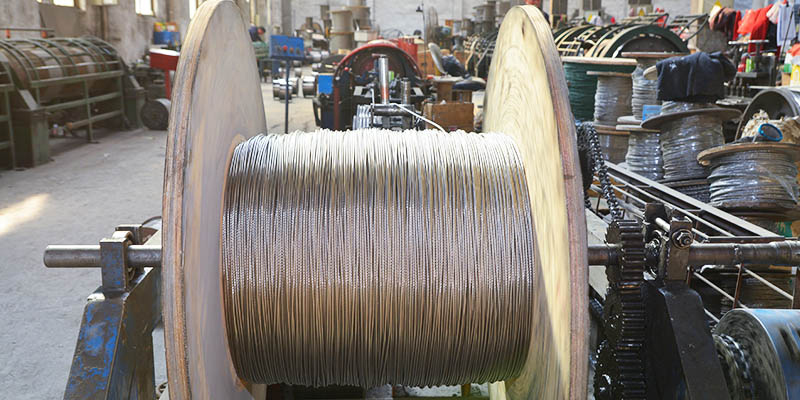

1×7 Stainless Steel Wire Rope Product Introduction Overview: The 1×7 stainless steel wire rope is a high-quality, durable, and versatile wire rope constructed from a single strand of seven individual ...
See Details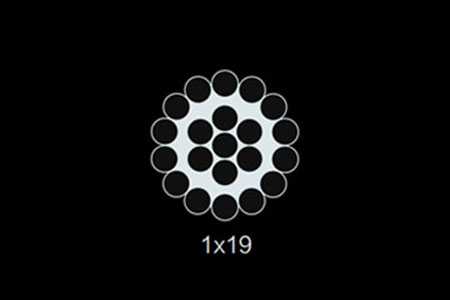
1×19 Stainless Steel Wire Rope Product Introduction Overview: The 1×19 stainless steel wire rope is a robust and high-strength wire rope made from a single strand of 19 individual wires twisted togeth...
See Details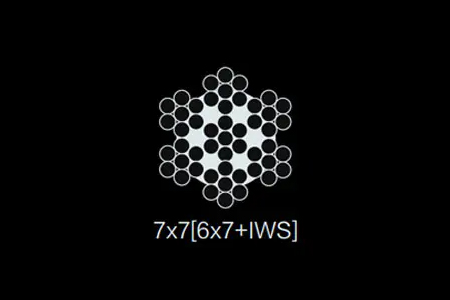
7×7 Stainless Steel Wire Rope Product Introduction Overview: The 7×7 stainless steel wire rope is a versatile, durable, and flexible wire rope made from seven strands, each containing seven individual...
See Details![7X19 [6x19+IWS] Stainless Steel Wire Rope 304/316](/steelwirerope-china/2024/12/20/4.jpg)
7X19 [6x19+IWS] Stainless Steel Wire Rope Product Introduction Overview: The 7X19 [6x19+IWS] stainless steel wire rope is a high-performance wire rope designed for applications that require maximum st...
See Details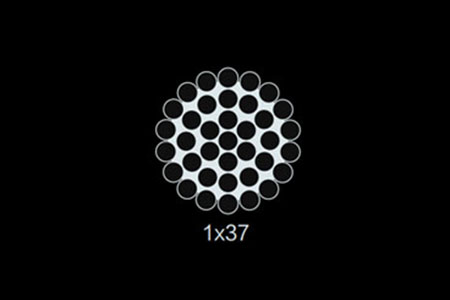
1×37 Stainless Steel Wire Rope Product Introduction Overview: The 1×37 stainless steel wire rope is a high-strength, durable wire rope made from a single strand of 37 individual wires twisted together...
See Details
6×7+FC Stainless Steel Wire Rope Product Introduction Overview: The 6×7+FC stainless steel wire rope is a high-quality wire rope designed for applications requiring both strength and flexibility. This...
See Details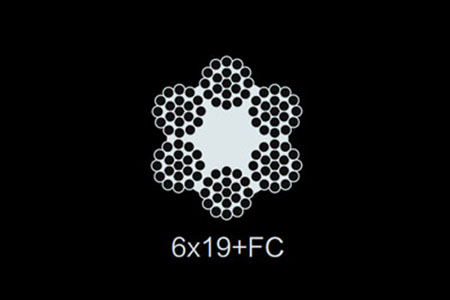
6×19+FC Stainless Steel Wire Rope Product Introduction Overview: The 6×19+FC stainless steel wire rope is a high-performance, versatile rope designed to provide exceptional strength, flexibility, and ...
See Details
19×7 Stainless Steel Wire Rope Product Introduction Overview: The 19×7 stainless steel wire rope is a high-performance wire rope designed for a wide range of applications requiring both strength and f...
See Details




 wechat scan