1×7 Stainless Steel Wire Rope Product Introduction Overview: The 1×7 stainless steel wire rope is a high-quality, durable, and versatile wire rope constructed from a single strand of seven individual ...
See Details


Marine hardware refers to the essential physical components and fittings used in the construction, maintenance, and operation of boats and watercraft. The primary function of marine hardware is to ensure structural integrity and operational safety in highly corrosive aquatic environments. Selecting the appropriate hardware is not merely a matter of aesthetics; it is a critical safety necessity. Saltwater, UV radiation, and constant physical stress make standard industrial hardware completely unsuitable for marine applications.
When outfitting a vessel, understanding the specific applications of different hardware pieces is vital. From securing lines to operating hatches, every piece of hardware must perform flawlessly under pressure. Failure in a critical component, such as a cleat or a hinge, can lead to severe damage or life-threatening situations at sea.
The aquatic environment is unforgiving, and the material composition of marine hardware dictates its lifespan and reliability. Choosing the correct metal alloy is the single most important factor in preventing galvanic corrosion and structural failure.
Bronze, particularly silicon bronze, is exceptionally resistant to corrosion and is often used for thru-hull fittings, seacocks, and propeller shafts. It performs excellently below the waterline where stainless steel might suffer from oxygen-deprived crevice corrosion. Brass, conversely, is a softer alloy prone to dezincification in saltwater and should be reserved strictly for decorative interior purposes.
A well-equipped vessel relies on a variety of specialized hardware. Understanding the primary categories helps in proper maintenance and replacement.
These components bear the brunt of securing the boat to docks and handling anchor lines. They must be heavily built and securely fastened through the deck, not merely screwed into the fiberglass.
Interior and exterior cabin hardware must seal out the weather while allowing for easy operation. This includes heavy-duty hinges, sliding track systems for hatches, and watertight latches that can withstand heavy wave impact.
To better understand which materials are suitable for specific marine environments, the following comparison outlines the practical applications and limitations of common alloys.
| Material Type | Corrosion Resistance | Ideal Application Area |
|---|---|---|
| 316 Stainless Steel | High | Above waterline, deck fittings, rails |
| Silicon Bronze | Excellent | Below waterline, seacocks, fasteners |
| Brass | Low | Decorative interior only, never submerged |
Even the highest quality marine hardware will fail if installed incorrectly. Proper bedding and fastening techniques are responsible for preventing the vast majority of water intrusion leaks. When installing hardware on a vessel, always follow a structured approach to ensure a lasting, watertight seal.
Routine inspection is essential for extending the life of marine hardware. Salt crystals and environmental grime can trap moisture against metal surfaces, accelerating corrosion. A simple freshwater rinse after every outing is the most effective preventative measure a vessel owner can take.
During annual haul-outs, closely inspect all load-bearing hardware. Look for signs of crevice corrosion, which appears as deep pits or rust stains around fastener heads. Replacing corroded hardware before it fails is significantly cheaper than repairing structural deck damage caused by a torn-out cleat. Regularly lubricating moving parts, such as hinges and latches, with marine-grade grease will also preserve their functionality and protect against internal rust.
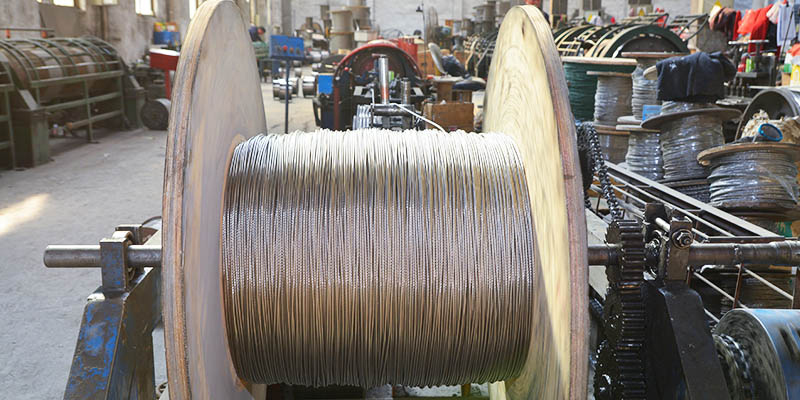

1×7 Stainless Steel Wire Rope Product Introduction Overview: The 1×7 stainless steel wire rope is a high-quality, durable, and versatile wire rope constructed from a single strand of seven individual ...
See Details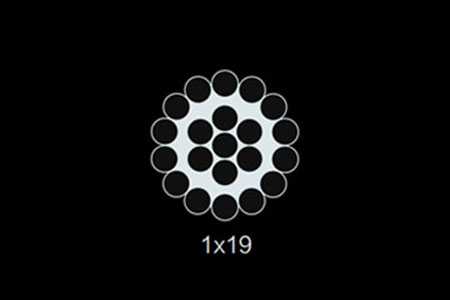
1×19 Stainless Steel Wire Rope Product Introduction Overview: The 1×19 stainless steel wire rope is a robust and high-strength wire rope made from a single strand of 19 individual wires twisted togeth...
See Details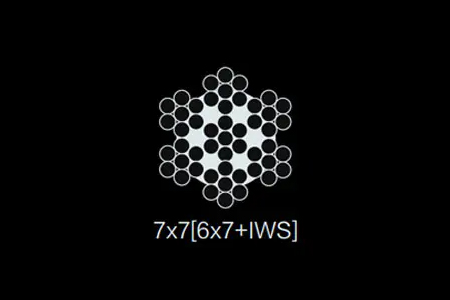
7×7 Stainless Steel Wire Rope Product Introduction Overview: The 7×7 stainless steel wire rope is a versatile, durable, and flexible wire rope made from seven strands, each containing seven individual...
See Details![7X19 [6x19+IWS] Stainless Steel Wire Rope 304/316](/steelwirerope-china/2024/12/20/4.jpg)
7X19 [6x19+IWS] Stainless Steel Wire Rope Product Introduction Overview: The 7X19 [6x19+IWS] stainless steel wire rope is a high-performance wire rope designed for applications that require maximum st...
See Details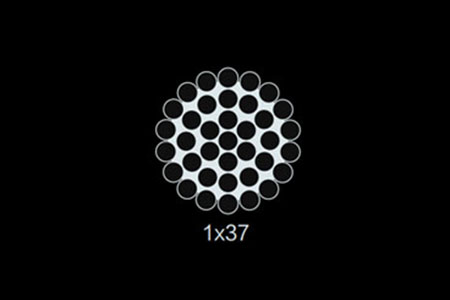
1×37 Stainless Steel Wire Rope Product Introduction Overview: The 1×37 stainless steel wire rope is a high-strength, durable wire rope made from a single strand of 37 individual wires twisted together...
See Details
6×7+FC Stainless Steel Wire Rope Product Introduction Overview: The 6×7+FC stainless steel wire rope is a high-quality wire rope designed for applications requiring both strength and flexibility. This...
See Details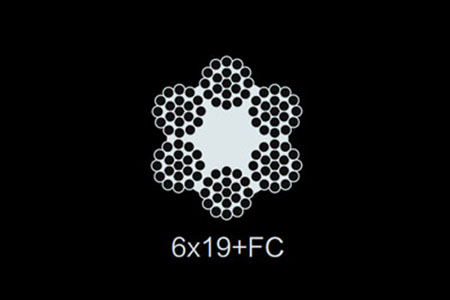
6×19+FC Stainless Steel Wire Rope Product Introduction Overview: The 6×19+FC stainless steel wire rope is a high-performance, versatile rope designed to provide exceptional strength, flexibility, and ...
See Details
19×7 Stainless Steel Wire Rope Product Introduction Overview: The 19×7 stainless steel wire rope is a high-performance wire rope designed for a wide range of applications requiring both strength and f...
See Details




 wechat scan