1×7 Stainless Steel Wire Rope Product Introduction Overview: The 1×7 stainless steel wire rope is a high-quality, durable, and versatile wire rope constructed from a single strand of seven individual ...
See Details

Stainless steel bolts, as one of the common fasteners, play an indispensable role in modern industry. Their excellent corrosion resistance, robust mechanical properties, and wide range of applications make them the preferred product in various fields such as construction, machinery manufacturing, automotive, and aerospace.
Stainless steel bolts are mainly made of stainless steel, thus possessing excellent corrosion resistance and high-temperature resistance. This material can usually withstand the erosion of oxidizing agents, acids, alkalis, and other chemical substances, allowing the bolts to maintain good performance for a long time even in harsh environments. Stainless steel itself is composed of metal elements such as iron, chromium, and nickel. The different alloy compositions determine its corrosion resistance and mechanical properties in different environments.
Based on the composition and structure of stainless steel, stainless steel bolts can be divided into several types, the most common of which are austenitic stainless steel, martensitic stainless steel, and ferritic stainless steel bolts. Different types of stainless steel bolts have their own characteristics and are suitable for different application needs.
These bolts have good corrosion resistance, especially suitable for environments requiring high corrosion resistance, such as marine and chemical industries. Austenitic stainless steel also has good toughness and ductility, and can withstand large mechanical stresses.
These bolts have higher hardness and are suitable for applications requiring higher strength. Their corrosion resistance is slightly inferior to austenitic type, but they perform better under high mechanical loads, and are often used in heavy machinery and equipment.
Ferritic bolts are characterized by moderate corrosion resistance and strength, suitable for environments where high corrosion resistance is not particularly required.
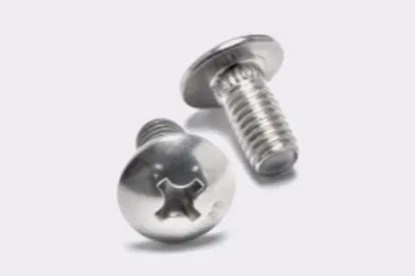
Stainless steel bolts can also be classified according to different sizes, shapes, and surface treatment methods. Surface treatments include galvanizing, passivation, and black oxidation, which can further enhance the corrosion resistance and wear resistance of the bolts.
The biggest advantage of stainless steel bolts lies in their excellent corrosion resistance. In humid, acidic, or alkaline environments, traditional steel materials may rust and corrode, while stainless steel maintains its stability for a longer period, avoiding safety hazards caused by corrosion. Secondly, stainless steel bolts have higher strength and hardness, meeting the needs of most industrial applications, especially in scenarios involving high mechanical stress. Furthermore, stainless steel bolts exhibit excellent high-temperature resistance, maintaining good strength and stability even in high-temperature environments.
Stainless steel bolts are used in virtually all industries. In construction engineering, they are commonly used in the connection of load-bearing structures such as steel structures, bridges, and tunnels. Due to their strong corrosion resistance, they are particularly suitable for use in humid environments such as coastal areas. In the machinery manufacturing and automotive industries, stainless steel bolts are widely used in the assembly of critical components such as engines and chassis due to their high strength and durability. In the aerospace field, due to their excellent high-temperature resistance and stability, stainless steel bolts play an important role in aircraft, satellites, and other equipment.
When choosing stainless steel bolts, several factors need to be considered, including material, performance requirements, operating environment, and bolt size. The required load-bearing strength of the bolt should be clearly defined. If the operating environment is harsh, it is recommended to choose stainless steel bolts with strong corrosion resistance, such as austenitic stainless steel bolts. Understanding the bolt size specifications is also crucial; undersized bolts will not provide sufficient fastening force, while oversized bolts may lead to unnecessary costs and wasted space.
In addition to physical properties, the surface treatment of the bolt also needs to be considered. For applications requiring particularly high corrosion resistance, bolts with surface galvanizing or passivation treatment can provide an extra layer of protection. Furthermore, considering ease of installation, the bolt's thread type and length should be selected according to actual needs.
Although stainless steel bolts have strong corrosion resistance, in some special environments, proper maintenance and care are still necessary. In coastal areas or other highly corrosive environments, regularly check the bolts for corrosion, loosening, or damage, and replace or reinforce them promptly. For bolts exposed to the air for extended periods, keeping the bolt surface clean is also very important. Surface dirt or oil stains can affect the corrosion resistance of bolts; therefore, regular cleaning of bolts can extend their service life.
Stainless steel bolts typically come in three main types of materials: austenitic stainless steel, martensitic stainless steel, and ferritic stainless steel. Bolts made of different materials are suitable for different environmental requirements, and the choice should be based on actual usage conditions.
High-quality stainless steel bolts usually have a smooth surface without obvious defects or rust. The threads should be clear, the shape symmetrical, and without deformation. For high-quality bolts, certain mechanical tests should also be performed to verify that their strength, hardness, and other indicators meet the standards.
Stainless steel bolts have good high-temperature resistance, especially austenitic stainless steel bolts, which can withstand higher temperatures and are suitable for high-temperature environments. However, excessively high temperatures may still affect their strength, so in ultra-high temperature environments, it is still necessary to choose suitable special alloy materials.
Although stainless steel bolts have excellent corrosion resistance, this does not mean that they are completely corrosion-proof in all environments. Under extreme conditions (such as seawater, strong acids, strong alkalis, etc.), stainless steel bolts may still be affected by corrosion. Therefore, in extreme environments, additional surface treatment or the selection of other special materials may be required.
The service life of stainless steel bolts is closely related to their material, usage environment, and maintenance. In general industrial environments, with proper maintenance, the service life can reach several years or even longer. In highly corrosive environments, more frequent inspection and replacement may be necessary.
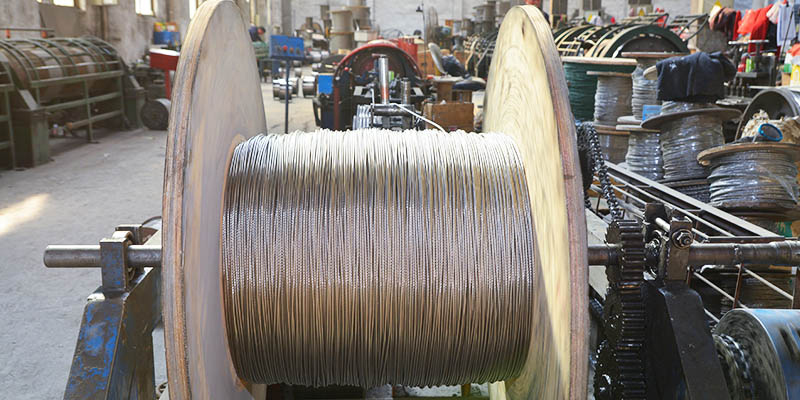

1×7 Stainless Steel Wire Rope Product Introduction Overview: The 1×7 stainless steel wire rope is a high-quality, durable, and versatile wire rope constructed from a single strand of seven individual ...
See Details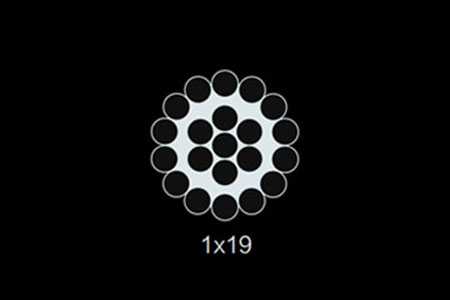
1×19 Stainless Steel Wire Rope Product Introduction Overview: The 1×19 stainless steel wire rope is a robust and high-strength wire rope made from a single strand of 19 individual wires twisted togeth...
See Details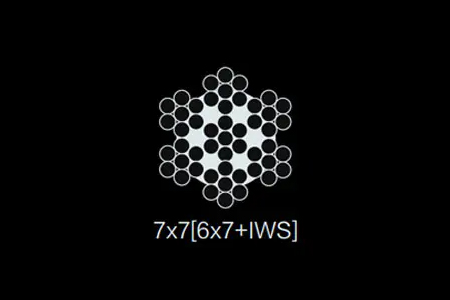
7×7 Stainless Steel Wire Rope Product Introduction Overview: The 7×7 stainless steel wire rope is a versatile, durable, and flexible wire rope made from seven strands, each containing seven individual...
See Details![7X19 [6x19+IWS] Stainless Steel Wire Rope 304/316](/steelwirerope-china/2024/12/20/4.jpg)
7X19 [6x19+IWS] Stainless Steel Wire Rope Product Introduction Overview: The 7X19 [6x19+IWS] stainless steel wire rope is a high-performance wire rope designed for applications that require maximum st...
See Details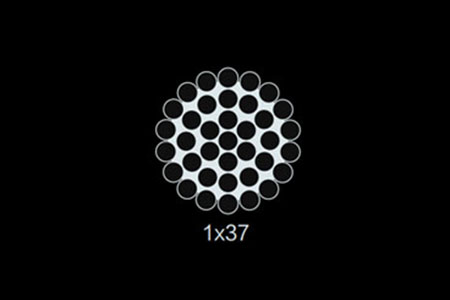
1×37 Stainless Steel Wire Rope Product Introduction Overview: The 1×37 stainless steel wire rope is a high-strength, durable wire rope made from a single strand of 37 individual wires twisted together...
See Details
6×7+FC Stainless Steel Wire Rope Product Introduction Overview: The 6×7+FC stainless steel wire rope is a high-quality wire rope designed for applications requiring both strength and flexibility. This...
See Details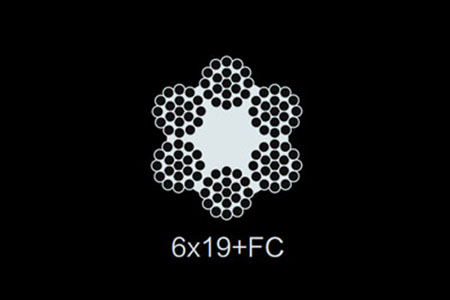
6×19+FC Stainless Steel Wire Rope Product Introduction Overview: The 6×19+FC stainless steel wire rope is a high-performance, versatile rope designed to provide exceptional strength, flexibility, and ...
See Details
19×7 Stainless Steel Wire Rope Product Introduction Overview: The 19×7 stainless steel wire rope is a high-performance wire rope designed for a wide range of applications requiring both strength and f...
See Details




 wechat scan